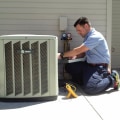
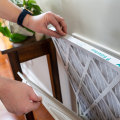
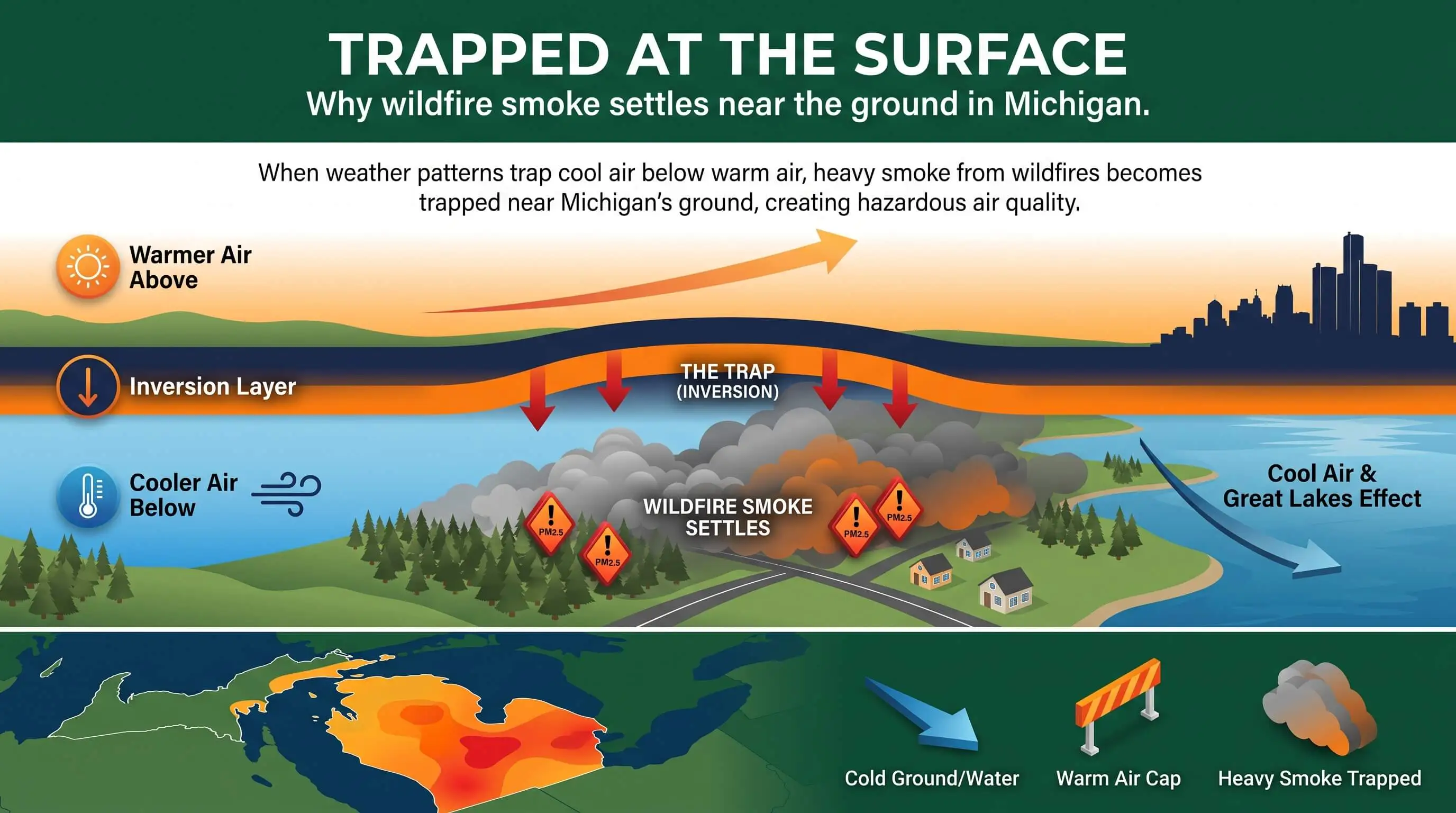
Wildfire smoke in Michigan settles near the ground when the air stops mixing. Calm, clear nights and slow-moving high pressure hold it down, and fires burning closer than they used to send it in lower to begin with. You can’t see most of those particles. Once you know what traps them, though, you can spot a bad morning ahead of time and keep that smoke out of your home.
TL;DR Quick Answers
wildfire smoke michigan
Wildfire smoke in Michigan comes mostly from Canadian fires, lately in Ontario, Manitoba, and Quebec, and it hits hardest when the air stops mixing. Calm, clear nights and stalled high pressure pin smoke at breathing height, so readings often peak at dawn. Check the nearest ground monitor, not the sky, and close up before dark.
Where it starts: Canadian fires north of the Great Lakes, with the Upper Peninsula usually hit first.
Why it sinks: Overnight inversions and sinking high-pressure air trap smoke near the ground.
When it’s worst: Still mornings and the second or third day of a stalled high.
What to trust: Ground readings on MiAir or AirNow, since overhead plumes often never reach the surface.
How to protect indoor air: Close windows overnight, set the fan to ON, and run a MERV 8 filter.
Top Takeaways
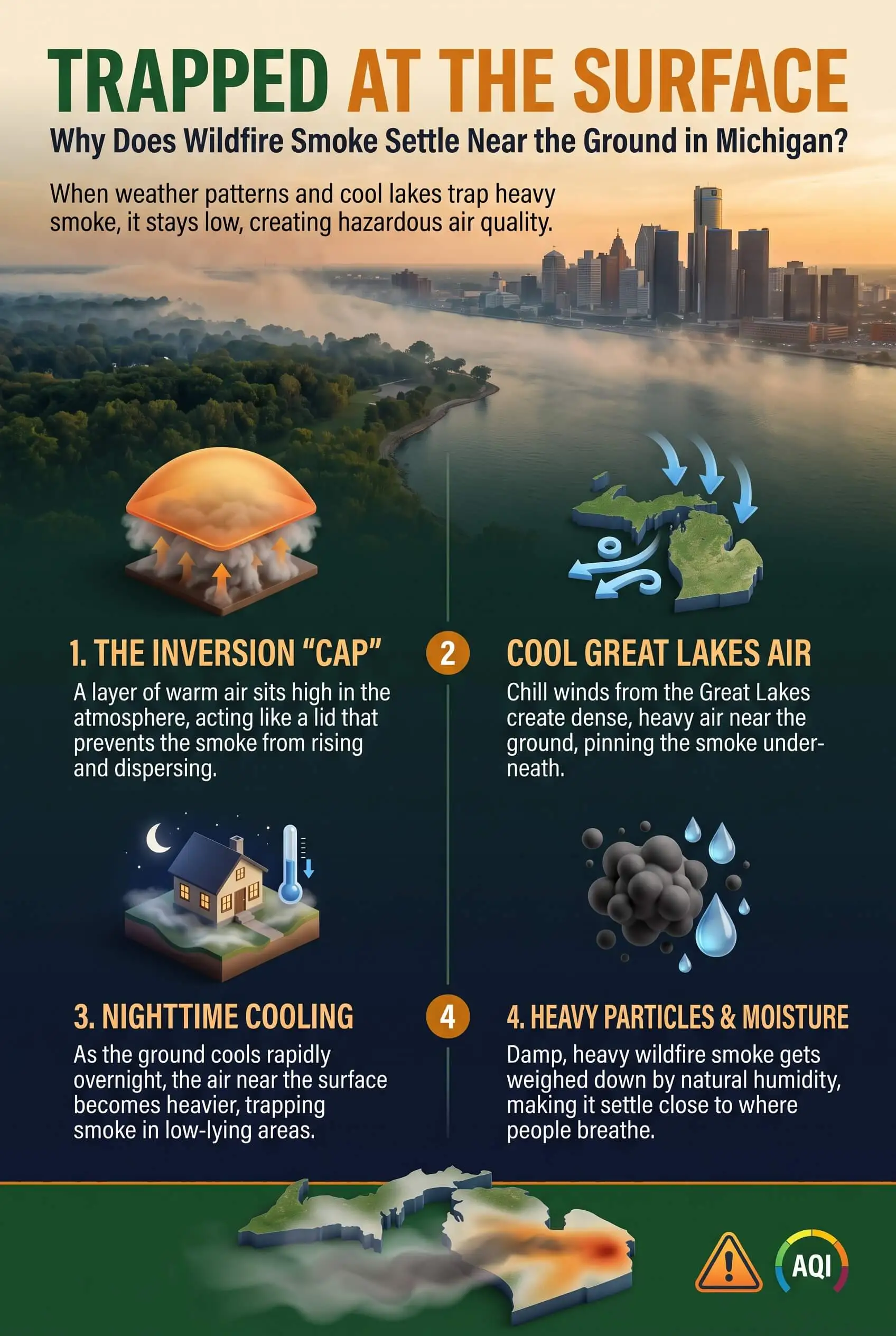
Inversions trap smoke low. On clear, calm nights, warm air settles over cooler surface air and holds smoke at breathing height.
High pressure keeps it there. Sinking air can pin smoke near the ground for several days.
Closer fires mean thicker air. Smoke from Ontario, Manitoba, and Quebec reaches Michigan lower and denser.
Trust monitors over the sky. Hazy skies can sit over clean air, and a clear-looking morning can hide smoke at ground level.
Close up before dark. When smoke is in the forecast, shut the windows and let the fan push air through a MERV 13 filter.
What Pulls Wildfire Smoke Down to Breathing Height
Smoke from a distant fire usually rides thousands of feet overhead. For it to reach your front porch, the atmosphere has to stop stirring or start sinking, and Michigan’s weather does both more often than most people realize.
Temperature Inversions Put a Lid on the Air
The air usually gets cooler as you climb. On a clear, still night, the ground gives up its heat fast and chills the air resting on it, while warmer air settles on top. That warm layer works like a lid on a pot. Smoke underneath can’t rise or spread out, so it pools right where you breathe. Inversions tend to peak around sunrise. By midmorning, the sun warms the ground, the lid breaks, and the smoke starts to thin.
High Pressure Pushes Smoke Toward the Surface
Clear skies and dry, still air make high pressure the source of many of Michigan’s nicest summer days. It also brings sinking air. In August 2025, a senior meteorologist with the state’s Air Quality Division explained that this sinking motion was pressing smoke down to the surface, and that most of it was old smoke looping around with nowhere to go. When a high stalls, that loop can run for days.
Smoke Can Keep Itself Trapped
Here’s something that might surprise you: thick smoke can reinforce the very lid holding it down. It blocks sunlight, so the ground stays cool and the air near the surface stays stable. The afternoon mixing that would normally thin the haze never quite gets going, and smoke can hang around well past lunch. That’s why using high quality filters indoors matters, especially when smoky conditions persist throughout the day.
Why Wildfire Smoke in Michigan Hits Harder Than the Sky Suggests
Closer Fires Mean Lower, Denser Smoke
For years, most of the smoke reaching Michigan started in western Canada and showed up high and spread thin. That changed in 2023 and again in 2025, when more of the burning moved to Ontario, Manitoba, and Quebec. The same state meteorologist pointed out that smoke from closer fires covers less distance, so it stays more concentrated and sits closer to the ground when it gets here.
How the Great Lakes Change the Picture
Michigan spends most of the smoke season ringed by cool water. Air over a cold lake stays stable and resists mixing, and on warm afternoons, lake breezes carry that air inland. Researchers in BAQS-Met, a 2007 field study of the southern Great Lakes, found lake breezes on most summer days, and some of those breeze fronts pushed more than 100 kilometers inland across southeast Lower Michigan. That helps explain why two towns 30 miles apart can post very different readings during the same smoke event.
Upper Peninsula First, Then South
When fires burn north of Lake Superior, the Upper Peninsula and northern Lower Peninsula usually get the smoke first. A wind shift can then carry it south to Lansing, Grand Rapids, and Detroit within a day or two.
When Ground-Level Smoke Is Usually at Its Worst
Watch the early morning after a clear, calm night, since that’s when the inversion holds tightest. Stalled high pressure stretches the risk out, and the second or third day of one often brings heavier smoke than the first. Relief usually rides in on a cold front or steady rain, which makes the hours right before that change some of the haziest of the whole episode.
Smoke season doesn’t stop on Labor Day, either. On October 12, 2026, the state issued an air quality alert for Baraga, Marquette, Iron, Dickinson, and Menominee counties after smoke drifted back over the western Upper Peninsula.
Smoke Overhead vs. Smoke in Your Lungs
A gray sky and bad air reading don’t always show up together. Satellites trace smoke plumes from above, but they can’t tell you whether that smoke sits two miles up or right outside your door. Across the Midwest, a lot of smoke rides high and never touches the ground. A morning inversion can do the opposite and hold smoke low under a sky that looks only a little hazy.
So skip the sky check and go by the numbers. Pull up MiAir or AirNow for the monitor closest to you before a morning walk, a practice, or yard work, especially after a still night.
Keeping Low-Lying Smoke Out of Your Home
Low smoke presses right up against your windows, door gaps, and fresh-air intake. That’s exactly where you can stop it.
Close windows overnight. State alert guidance calls out nighttime specifically, because that’s when smoke tends to sink.
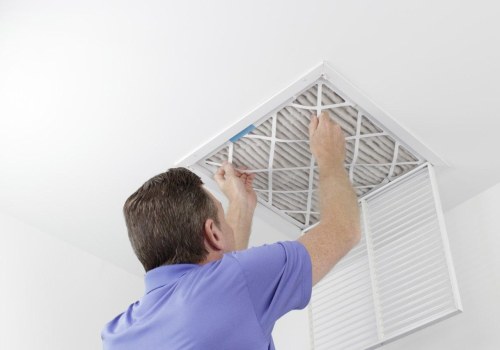
Switch the fan to ON. On AUTO, the blower only runs while the system heats or cools. ON keeps air moving through the filter around the clock.
Shut fresh-air intakes. Close ventilator dampers while smoke is heavy so the system recirculates the cleaner air already inside.
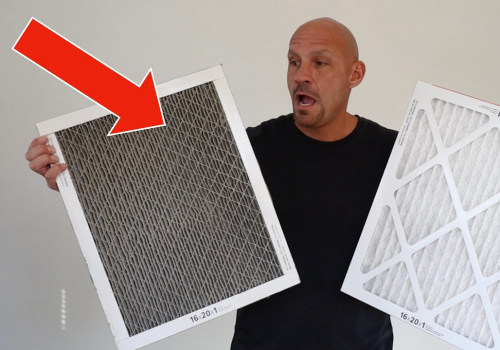
Use a MERV 13 filter, or the highest rating your system can handle. Not sure where yours tops out? This guide to MERV ratings walks through it.
Check the filter more often. Fine smoke particles load a filter faster than everyday dust, so here’s a refresher on how often to change your AC air filter.
A portable HEPA purifier in one bedroom gives anyone with asthma, heart disease, or young, developing lungs a cleaner room to rest in.
“When I test indoor air during smoke events, bedroom readings usually spike before sunrise in homes that cracked a window for cool night air, right as the inversion outside pinned smoke against the house. The homes that stayed clean closed up at dusk and kept the blower pulling air through a MERV 13 filter all night.”
7 Essential Resources
Live Michigan Wildfire and Smoke Map: Check live fires, smoke, and AQI across Michigan, along with simple ways to cut smoke exposure indoors.
EGLE Wildfire Smoke: See how Michigan forecasts smoke, when it issues advisories versus alerts, and answers to common questions.
CDC Wildfire Smoke Safety Guidelines: Steps for protecting your household before and during a smoke event.
American Lung Association: Wildfire Smoke: Guidance on lung health, setting up a clean room, and protecting sensitive family members.
NOAA Hazard Mapping System: Where satellite smoke plumes come from, and why they can’t show how high the smoke sits.
ASHRAE Wildfire Response Resources: Engineering guidance on keeping indoor air cleaner in homes and buildings during smoke.
Lake Breezes in the Southern Great Lakes Region: The BAQS-Met study on how far lake breezes reach inland and how they shape air quality.
3 Supporting Statistics
A February 2026 EPA working paper reports that Midwest airports logged smoke plumes overhead on about 56 days a year, yet recorded surface-level smoke on only about 4. EPA National Center for Environmental Economics
In computer simulations, wildfire smoke cooled valley floors by as much as 3°C, which strengthens the inversion that keeps the smoke trapped. Eos, American Geophysical Union
Michigan’s environmental agency issued 27 air quality advisories and 4 air quality alerts in 2025 by mid-August. WCMU Public Media
Final Thoughts and Opinion
Here’s my honest take. How much burns in Canada matters, but what Michigan’s weather does with that smoke after it arrives matters just as much. A calm, gorgeous night can do more harm to your indoor air than a hazy afternoon, because that’s when the lid closes.
The households I see handle smoke season best don’t wait for an orange sky. They check the morning reading after a still night and close up early whenever an alert goes out. And their fine-particle filter is in place before late spring. Using mastic duct sealant to seal leaky ductwork can also help limit smoke particles entering through gaps in the HVAC system. Canadian smoke will keep drifting into Michigan, but you still decide what happens inside your house.
Frequently Asked Questions
Why is wildfire smoke worse in the morning in Michigan?
Clear, still nights let the ground cool quickly, and that cooling builds a temperature inversion that traps smoke near the surface. The inversion is usually strongest around sunrise, so readings often run highest early and ease by midmorning.
Can the sky look hazy while air quality stays good?
Yes. A lot of smoke passes over Michigan well above ground level. Go by the nearest monitor on MiAir or AirNow rather than the color of the sky.
Do the Great Lakes trap wildfire smoke?
They can help it linger. Cool lake water keeps the air above it stable, and lake breezes carry that air inland, which can concentrate smoke along shorelines and in nearby towns.
How long does wildfire smoke stay near the ground?
An overnight inversion usually breaks by midmorning. A stalled high-pressure system is a different story and can hold smoke near the surface for several days until a cold front or rain clears it out.
What filter helps when smoke settles around my home?
A MERV 13 filter catches most of the fine particles in wildfire smoke. If your system can’t handle MERV 13, use the highest rating it supports and check it more often during smoke events. The same applies to heat pumps with compatible filtration systems, as the filter needs to match what the equipment can support.
Stay a Step Ahead When Smoke Settles Close to Home
You can’t stop Canadian wildfire smoke from drifting into Michigan, but you can keep it out of your home on the calm nights and stalled-high days when it settles closest to the ground. Check your local reading, close up early when an alert goes out, and have a fine-particle filter ready before the next smoke season starts.