Understanding the lifespan of your air conditioning unit is essential for homeowners who want to maintain a comfortable living environment while also managing their budgets effectively. On average, most air conditioners are designed to last between 10 to 15 years, but this can vary significantly based on several factors. These factors include the quality of the unit, how often it has been maintained, and the climate in which it operates. For instance, units that are regularly serviced and maintained can often exceed their expected lifespan, while those that are neglected may fail much sooner. One of the most critical aspects to consider is the signs of an aging air conditioner.
Homeowners should be vigilant for indicators that their unit may be nearing the end of its life. Common signs include inconsistent cooling, unusual noises such as grinding or squealing, and an increase in energy bills. If your air conditioner requires frequent repairs or if the cost of these repairs approaches 50% of the price of a new unit, it may be time to consider a replacement. Additionally, understanding how long air conditioners last can help you plan for future expenses. Investing in a high-efficiency model can not only provide better cooling but also reduce energy costs over time.
As technology advances, newer models often come equipped with features that enhance performance and energy efficiency. Therefore, being aware of your current unit's condition and its expected lifespan can empower you to make informed decisions about when to replace your air conditioner.
When is the Best Time to Replace Your Air Conditioner?
Determining the best time to replace your air conditioner can significantly impact both your comfort and your wallet. The HVAC industry experiences distinct seasonal trends that can influence pricing, availability, and service quality. Understanding these trends is essential for homeowners looking to make an informed decision.Generally, the off-season for air conditioner replacement occurs during late fall and early spring.Specifically, the months from late September to mid-November and early March to mid-May are ideal for several reasons:
- Lower Costs: During the off-season, demand for HVAC services decreases. As a result, many contractors offer competitive pricing and special promotions to attract customers. This can lead to significant savings on both the unit itself and installation costs.
- Better Availability: With fewer customers seeking replacements, HVAC professionals have more time to dedicate to each project. This means you can expect quicker response times, more thorough consultations, and a higher level of service.
- Time for Research: Replacing an air conditioner is a significant investment.
Off-peak times allow homeowners to take their time researching different models, comparing energy efficiency ratings, and selecting the best unit for their specific needs without the pressure of immediate installation.
By taking advantage of seasonal trends in HVAC demand, you can ensure that you make a well-informed decision that enhances your home’s comfort while also being budget-conscious.
Signs That Indicate It's Time for a Replacement
Deciding whether to repair or replace your air conditioning unit can be a daunting task for many homeowners. However, recognizing the signs that indicate it's time for an air conditioner replacement can simplify this decision-making process. Here are some key indicators to consider:- Age of the Unit: One of the most significant factors in determining whether to replace your air conditioner is its age. Most air conditioning systems have a lifespan of about 10 to 15 years.
If your unit is approaching or has surpassed this age, it may be time to consider a replacement, especially if it has not been well-maintained.
- Frequent Repairs: If you find yourself calling for repairs multiple times each season, it’s a clear sign that your air conditioner is struggling. A good rule of thumb is if repair costs exceed 50% of the price of a new unit, replacement is often the more economical choice.
- Increased Energy Bills: An inefficient air conditioner can lead to skyrocketing energy bills. If you notice a significant increase in your utility costs without any changes in usage, it may indicate that your system is no longer operating efficiently and could benefit from an upgrade.
- Inconsistent Temperatures: If certain rooms in your home are consistently warmer or cooler than others, it may be a sign that your air conditioning system is failing to distribute cool air effectively. This inconsistency can be frustrating and may warrant a replacement.
- Noisy Operation: Unusual noises such as grinding, squealing, or banging can indicate serious issues within your air conditioning unit.
While some sounds may be fixable, persistent noise problems often suggest that the unit is nearing the end of its life.
- Refrigerant Leaks: If you notice any signs of refrigerant leaks, it’s crucial to address them immediately. Not only does this affect cooling efficiency, but older units using R-22 refrigerant are becoming increasingly expensive to repair due to regulatory changes. In such cases, replacing the unit with a more modern model that uses eco-friendly refrigerants is advisable. If you notice any signs of refrigerant leaks, it’s crucial to address them immediately. Not only does this affect cooling efficiency, but older units using R-22 refrigerant are becoming increasingly expensive to repair due to regulatory changes. In such cases, replacing the unit with a more modern model that uses eco-friendly refrigerants is advisable.
Making an informed decision will not only enhance your home’s comfort but also improve energy efficiency and potentially save you money in the long run.
Cost Considerations for Air Conditioner Replacement
When considering an air conditioner replacement, understanding the associated costs is crucial for effective budgeting. The overall expense can vary significantly based on several factors, including the type of unit, installation complexity, and regional pricing differences.Unit Prices
The cost of the air conditioning unit itself can range widely. On average, homeowners can expect to pay between $2,500 and $7,500 for a new system. This price typically includes:
- Type of System: Central air conditioning systems tend to be more expensive than ductless mini-split systems or window units.
- Energy Efficiency: Higher SEER (Seasonal Energy Efficiency Ratio) ratings often come with a higher upfront cost but can lead to significant savings on energy bills over time.
- Brand: Well-known brands may charge a premium, but they often provide better warranties and reliability.
Installation Fees
In addition to the unit price, installation fees can add another $1,000 to $3,000 to your total cost.
Factors influencing installation costs include:
- Complexity of Installation: If ductwork needs to be modified or replaced, costs will increase.
- Location: Labor costs can vary by region; urban areas may have higher rates than rural locations.
- Permits and Inspections: Some localities require permits for HVAC installations, which can add to the overall expense.
Budgeting for Replacement
When planning for an air conditioner replacement, it’s essential to create a comprehensive budget that includes both the unit and installation costs. Consider setting aside an additional 10-20% of your total budget for unexpected expenses that may arise during installation.
Financing Options
If the upfront costs are daunting, various financing options are available:
- HVAC Financing Plans: Many HVAC companies offer financing plans that allow you to pay for your system over time with manageable monthly payments.
- Home Equity Loans: If you have equity in your home, this can be a viable option for funding your replacement.
- Credit Cards: Some homeowners opt to use credit cards for immediate purchases but should be cautious of high-interest rates.
Choosing the Right Air Conditioner for Your Home
When it comes to air conditioner replacement, selecting the right unit for your home is crucial for ensuring comfort, efficiency, and cost-effectiveness. Here are some key factors to consider when choosing an air conditioning system:- Size Matters: The size of your air conditioner is one of the most important factors. An undersized unit will struggle to cool your home, leading to increased energy bills and wear on the system.
Conversely, an oversized unit will cycle on and off too frequently, which can lead to humidity issues and higher energy costs. To determine the right size, consult with an HVAC professional who can perform a load calculation based on your home's square footage, insulation, and layout.
- Energy Efficiency Ratings (SEER): The Seasonal Energy Efficiency Ratio (SEER) measures the cooling output of an air conditioner over a typical cooling season divided by the total electric energy input during the same period. Look for units with a SEER rating of 14 or higher for optimal energy efficiency. Higher SEER ratings often translate to lower energy bills and a reduced environmental impact.
- Type of Air Conditioner: There are several types of air conditioning systems available, including central air conditioners, ductless mini-split systems, window units, and portable air conditioners.
Central systems are ideal for larger homes with existing ductwork, while ductless systems offer flexibility for homes without ducts. Window and portable units can be effective for smaller spaces or specific rooms.
- Features and Technology: Modern air conditioners come equipped with various features that enhance comfort and efficiency. Look for units with programmable thermostats, variable-speed compressors, and smart technology that allows you to control your system remotely. These features can help optimize performance and reduce energy consumption.
- Noise Levels: Consider the noise level of the air conditioning unit, especially if it will be installed near bedrooms or living areas.
Look for models that are designed to operate quietly, as excessive noise can be disruptive.
- Warranty and Support: A good warranty can provide peace of mind when investing in a new air conditioner. Check the warranty terms and ensure that you have access to reliable customer support from the manufacturer or installer.
The Importance of Professional Installation
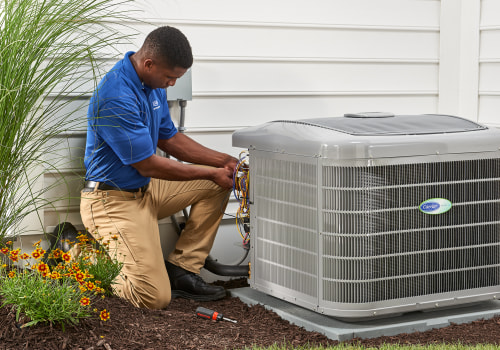
When it comes to air conditioner replacement, the installation process is just as critical as selecting the right unit. While some homeowners may be tempted to tackle the installation themselves, the risks associated with a DIY approach can far outweigh any potential savings.Hiring a professional HVAC technician ensures that your new system is installed correctly, maximizing its efficiency and lifespan.
Understanding the Risks of DIY Installation
- Improper Sizing: One of the most common mistakes in DIY installations is miscalculating the size of the air conditioning unit needed for your home. An undersized unit will struggle to cool your space, leading to increased energy bills and wear on the system, while an oversized unit can lead to short cycling, which reduces efficiency and comfort.
- Incorrect Installation: HVAC systems are complex and require precise installation to function properly. A small error in the setup can lead to significant issues, including refrigerant leaks, electrical problems, or even system failure.
- Safety Hazards: Working with electrical components and refrigerants poses safety risks. Without proper training, you could inadvertently create hazardous situations that could endanger you and your family.
The Benefits of Hiring HVAC Professionals
- Expertise and Experience: Professional HVAC technicians have extensive training and experience in installing various air conditioning systems.
They understand the nuances of different models and can ensure that your unit is installed according to manufacturer specifications.
- Warranty Protection: Many manufacturers require professional installation for warranty coverage. If you attempt a DIY installation and something goes wrong, you may void your warranty, leaving you responsible for costly repairs.
- Efficiency Optimization: Professionals not only install your air conditioner but also optimize its performance. They can make adjustments to ensure that your system runs efficiently, which can save you money on energy bills in the long run.
- Post-Installation Support: A reputable HVAC company will offer ongoing support after installation. This includes maintenance services and troubleshooting assistance should any issues arise.
The importance of professional installation cannot be overstated; it ensures safety, efficiency, and peace of mind. By entrusting this task to qualified HVAC professionals, you are making a wise investment in your home’s comfort and energy efficiency.
Maintenance Tips for Your New Air Conditioner
Once you've invested in a new air conditioning unit, it's essential to implement a solid maintenance routine to ensure its longevity and efficiency. Regular maintenance not only helps in prolonging the lifespan of your air conditioner but also enhances its performance, leading to lower energy bills and improved indoor air quality.1.Change or Clean the Air Filters
One of the simplest yet most effective maintenance tasks is to regularly check and replace or clean the air filters. Clogged filters restrict airflow, making your system work harder and less efficiently.
Depending on usage, filters should be checked monthly and replaced or cleaned every 1-3 months. This will not only improve air quality but also reduce energy consumption.
2.Keep the Outdoor Unit Clear
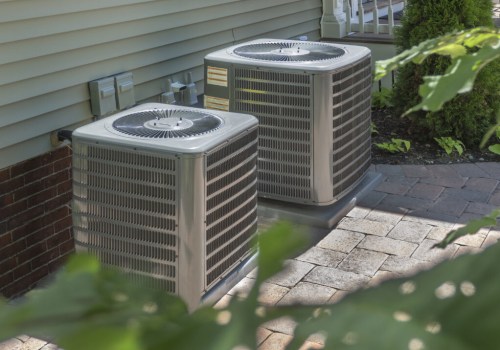
The outdoor condenser unit should be free from debris such as leaves, dirt, and grass clippings. Ensure there is at least two feet of clearance around the unit for proper airflow. Regularly inspect the area around the unit and clear any obstructions to maintain optimal performance.
3.Schedule Annual Professional Maintenance
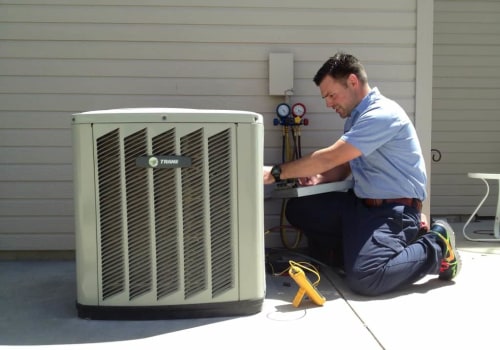
While homeowners can perform basic maintenance, scheduling an annual inspection with a qualified HVAC technician is crucial.
A professional can identify potential issues before they become major problems, check refrigerant levels, clean coils, and ensure all components are functioning correctly.
4.Monitor Thermostat Settings
Ensure your thermostat is functioning properly and set to an appropriate temperature. Consider upgrading to a programmable or smart thermostat that can optimize cooling schedules based on your lifestyle, which can lead to significant energy savings.
5.Inspect Ductwork for Leaks
Leaky ducts can lead to significant energy loss and reduced efficiency. Inspect your ductwork for any visible signs of wear or damage, and consider having it sealed or insulated by a professional if necessary.
6.Clean the Coils
The evaporator and condenser coils can accumulate dirt over time, which impairs their ability to absorb heat. Cleaning these coils at least once a year will help maintain efficiency.
If you're comfortable doing so, you can clean them yourself; otherwise, hire a professional.
7.Check Drain Lines
Ensure that the condensate drain line is clear of blockages to prevent water damage and humidity issues in your home. You can flush the drain line with a mixture of vinegar and water periodically to keep it clear.By following these air conditioner maintenance tips, you can significantly enhance the performance and lifespan of your new unit. Regular upkeep not only protects your investment but also ensures that your home remains comfortable throughout the seasons.
Frequently Asked Questions About Air Conditioner Replacement
When considering air conditioner replacement, homeowners often have numerous questions. Addressing these common inquiries can help clarify the process and ensure informed decisions.What are the signs that my air conditioner needs to be replaced?
Several indicators suggest it may be time for a replacement:- Age of the Unit: If your air conditioner is over 10-15 years old, it may be less efficient and more prone to breakdowns.
- Frequent Repairs: If you find yourself calling for repairs multiple times a year, it might be more cost-effective to invest in a new unit.
- Increased Energy Bills: A sudden spike in your energy costs can indicate that your system is working harder than it should, often due to inefficiency.
- Inconsistent Temperatures: If some rooms are too hot or too cold, your air conditioner may not be functioning properly.
- Strange Noises: Unusual sounds like grinding or squealing can signal serious issues that may warrant replacement.
How do I choose the right air conditioner for my home?
Selecting the appropriate unit involves several considerations:- Size: An air conditioner that is too small will struggle to cool your home, while one that is too large will cycle on and off frequently, leading to inefficiency.
A professional can perform a load calculation to determine the right size.
- Energy Efficiency: Look for units with a high SEER (Seasonal Energy Efficiency Ratio) rating. Higher ratings indicate better efficiency and lower operating costs.
- Features: Consider modern features such as programmable thermostats, variable speed fans, and smart technology that can enhance comfort and efficiency.
Can I troubleshoot my AC issues before deciding on replacement?
Yes, there are several troubleshooting steps you can take before opting for a replacement:- Check the Thermostat: Ensure it’s set correctly and functioning properly. Sometimes, recalibrating or replacing the thermostat can resolve issues.
- Inspect Air Filters: Clogged filters can restrict airflow and reduce efficiency. Regularly changing or cleaning filters can improve performance.
- Examine Ductwork: Leaks or blockages in ductwork can lead to uneven cooling.
Sealing ducts may enhance system performance.
Conclusion: Making an Informed Decision on Air Conditioner Replacement
In summary, the decision to replace your air conditioner is not one to be taken lightly. It involves careful consideration of various factors, including the age of your unit, its efficiency, and your specific cooling needs. Throughout this article, we have explored the optimal timing for air conditioner replacement, emphasizing the benefits of making this decision during the off-peak seasons.Choosing to replace your air conditioning system during the late fall or early spring can lead to significant savings. During these periods, HVAC contractors are often more willing to negotiate prices, and manufacturers frequently offer promotions that can make upgrading your system more affordable.This strategic timing not only allows you to save money but also provides you with ample time to research and select a unit that best fits your home’s requirements.Moreover, understanding the signs that indicate it may be time for a replacement is crucial. If your current air conditioner is struggling to maintain comfortable temperatures, requires frequent repairs, or uses outdated refrigerants like R-22, these are strong indicators that a new unit may be necessary. Regular maintenance can extend the life of your air conditioner, but there comes a point when investing in a new system is more cost-effective than pouring money into an aging unit.Consulting with an HVAC professional can provide valuable insights into your specific situation. They can assess your current system's performance and help you weigh the pros and cons of repair versus replacement.
This expert guidance is essential in making an informed decision that aligns with both your budget and comfort needs.Ultimately, replacing your air conditioner is not just about choosing a new appliance; it’s about investing in your home’s comfort and energy efficiency for years to come. By taking the time to evaluate your options and timing your purchase wisely, you can ensure that you make a decision that will benefit you and your family in the long run.