As we step into 2023, the HVAC industry is poised for significant changes, particularly in the realm of costs associated with heating, ventilation, and air conditioning systems. Homeowners and businesses alike are beginning to feel the pinch as HVAC costs rise, driven by a confluence of factors that are reshaping the landscape of air conditioning and heating solutions. Understanding these trends is crucial for anyone considering an air conditioner replacement or looking to maintain their existing systems.The escalating prices in the HVAC sector are not merely a reflection of inflation; they are influenced by a variety of elements including supply chain disruptions, labor shortages, and an increasing demand for energy-efficient systems. As consumers become more environmentally conscious, the push for advanced technologies that promise lower energy consumption is leading to higher initial costs.
This shift towards sustainability is commendable but also adds complexity to the decision-making process for homeowners contemplating an upgrade.Moreover, the impact of recent global events, such as the COVID-19 pandemic, has further complicated the situation. With many people spending more time at home, there has been a surge in demand for residential HVAC services. This increased demand, coupled with a dwindling workforce of skilled technicians, has created a perfect storm that is driving up prices across the board. As we delve deeper into this article, we will explore these factors in detail and provide insights into how they affect air conditioner replacement costs and overall HVAC pricing trends in 2023.
Factors Driving Up HVAC Costs
The rising costs of HVAC services in 2023 can be attributed to a confluence of factors that are reshaping the industry landscape.Understanding these elements is crucial for homeowners and businesses alike, especially when considering air conditioner replacement or upgrades to existing systems.
1.Material Costs
One of the most significant contributors to the increase in HVAC prices is the escalating cost of materials. The HVAC industry relies heavily on metals such as steel, copper, and aluminum, which have seen substantial price hikes in recent years. For instance, steel prices have surged by approximately 50% since 2016, while copper has increased by around 30%. These increases are driven by a combination of tariffs, supply chain disruptions, and heightened demand from various sectors.Additionally, the cost of refrigerants is also on the rise due to regulatory changes aimed at phasing out harmful substances like hydrochlorofluorocarbons (HCFCs).
As manufacturers transition to more environmentally friendly alternatives, the costs associated with these new refrigerants are expected to climb.
2.Labor Shortages
The HVAC industry is grappling with a significant shortage of skilled labor. As many experienced technicians retire, there is a growing gap in the workforce that younger generations have not filled. This shortage not only affects installation and repair times but also drives up labor costs as companies compete for qualified workers. The result is a ripple effect that impacts overall service pricing.
3.Increased Demand
The demand for HVAC services has surged, particularly in residential markets.
With more people investing in home improvements and energy-efficient systems, the competition for available resources has intensified. This increased demand can lead to longer wait times for installations and repairs, further exacerbating costs.
4.Energy Efficiency Regulations
As environmental concerns grow, there is a push towards more energy-efficient HVAC systems. While these systems can lead to long-term savings on energy bills, their initial purchase price is often higher than traditional models. This shift towards efficiency not only affects new installations but also influences replacement costs for existing systems.In summary, the rising costs associated with HVAC services in 2023 stem from material price increases, labor shortages, heightened demand for services, and a shift towards energy-efficient technologies.
Homeowners should be aware of these factors when planning for air conditioner replacement or any HVAC-related investments.
The Impact of Material Costs on Air Conditioner Replacement
The rising costs of essential materials are significantly impacting the prices associated with air conditioner replacement. As HVAC systems rely heavily on various metals and components, fluctuations in material costs can lead to increased expenses for both manufacturers and consumers.One of the primary materials driving up costs is steel. Used in the construction of air conditioning units, steel prices have surged due to a combination of factors, including tariffs and increased demand from other industries. According to recent reports, the price of steel has escalated by approximately 50% since 2016. This increase not only affects the manufacturing process but also trickles down to consumers who are looking to replace their aging air conditioning systems.Copper is another critical material that plays a vital role in HVAC systems, particularly in the coils and wiring of air conditioners.The price of copper has risen by around 30% over the past few years, driven by global demand and supply chain disruptions. As a result, the cost of air conditioner replacement is expected to reflect these increases, making it more challenging for homeowners to invest in new systems.Additionally, the cost of refrigerants has also been on the rise. With regulations aimed at phasing out harmful substances like hydrochlorofluorocarbons (HCFCs), manufacturers are transitioning to more environmentally friendly alternatives. While this is a positive step for the environment, it often comes with a higher price tag, further contributing to the overall cost of air conditioning units.In light of these rising material costs, homeowners should be proactive in their approach to air conditioner replacement.
Understanding these factors can help consumers make informed decisions about when to replace their systems and how to budget for these necessary upgrades. Regular maintenance of existing units can also extend their lifespan, potentially delaying the need for costly replacements.In conclusion, as material costs continue to rise, it is crucial for consumers to stay informed about how these changes affect air conditioner replacement prices. By being aware of market trends and material availability, homeowners can better navigate their options and make financially sound decisions regarding their HVAC needs.
Labor Shortages and Their Effect on HVAC Services
The HVAC industry is currently grappling with a significant labor shortage that is impacting service delivery and costs. This shortage is primarily due to a combination of factors, including an aging workforce, insufficient training programs, and a lack of interest from younger generations in pursuing careers in skilled trades.As many experienced technicians approach retirement age, the industry faces a daunting challenge: replacing these skilled workers.According to recent studies, nearly 50% of HVAC technicians are over the age of 45, which raises concerns about the future availability of qualified personnel. The gap between the number of retiring workers and new entrants into the field is widening, leading to a scarcity of skilled labor.This shortage has several direct consequences for consumers:
- Increased Service Costs: With fewer technicians available, HVAC companies are often forced to raise their prices to attract and retain skilled workers. This increase in labor costs is typically passed on to consumers, resulting in higher prices for air conditioner replacements and other services.
- Longer Wait Times: The limited number of available technicians means that homeowners may experience longer wait times for service appointments. Whether it’s for routine maintenance or urgent repairs, the demand often exceeds supply, leaving customers frustrated and uncomfortable.
- Quality of Service: In some cases, companies may hire less experienced technicians to fill the gaps left by seasoned professionals.
This can lead to inconsistent service quality and potentially costly mistakes during installations or repairs.
COVID-19's Lasting Impact on the HVAC Industry
The COVID-19 pandemic has had profound and lasting effects on various industries, and the HVAC sector is no exception.As the world grappled with the health crisis, the demand for heating, ventilation, and air conditioning services underwent significant shifts. Understanding these changes is crucial for both consumers and industry professionals as we navigate the post-pandemic landscape.Initially, the pandemic led to a sharp decline in commercial HVAC service demand. With businesses closing or operating at reduced capacity, many companies postponed maintenance and upgrades to their systems. This downturn was particularly evident in sectors such as hospitality and retail, where foot traffic plummeted.
However, as remote work became the norm and people spent more time at home, residential HVAC services saw a surge in demand. Homeowners began investing in their living spaces, recognizing the importance of maintaining comfortable indoor environments.As we move further into 2023, the effects of COVID-19 continue to shape the HVAC market. The increased focus on indoor air quality has become a priority for many consumers. The pandemic highlighted the importance of proper ventilation and filtration systems to reduce airborne pathogens.
Consequently, homeowners are now more inclined to upgrade their air conditioning systems to include advanced filtration technologies and air purifiers.Moreover, supply chain disruptions caused by the pandemic have led to ongoing challenges in obtaining essential components for HVAC systems. Manufacturers faced delays due to factory shutdowns and transportation issues, resulting in longer lead times for equipment availability. This scarcity has contributed to rising prices for both new installations and replacement parts.In response to these challenges, HVAC companies have had to adapt their business models. Many have embraced digital tools for remote consultations and virtual assessments, allowing them to maintain customer engagement while adhering to safety protocols.
This shift not only enhances customer convenience but also streamlines operations.As we look ahead, it is clear that the pandemic has reshaped consumer expectations regarding HVAC services. The emphasis on energy efficiency and sustainability is likely to persist as homeowners seek solutions that align with their values. In this evolving landscape, HVAC professionals must remain agile and responsive to changing demands while ensuring they provide high-quality service.
The Push for Energy Efficiency in HVAC Systems
As the HVAC industry evolves, there is a noticeable shift towards energy-efficient HVAC systems. This trend is driven by a combination of environmental concerns, rising energy costs, and consumer demand for sustainable solutions.While the initial investment in these systems may be higher, the long-term benefits often outweigh the upfront costs.Energy-efficient air conditioners are designed to use less energy while providing the same level of comfort as traditional units. These systems often feature advanced technologies such as variable-speed compressors, smart thermostats, and improved insulation. As a result, they can significantly reduce energy consumption and lower utility bills.
Understanding the Cost of Energy Efficiency
The cost of implementing energy-efficient HVAC systems can be a barrier for many homeowners. Typically, these systems come with a higher price tag due to their advanced technology and materials.However, it is essential to consider the long-term savings that can be achieved through reduced energy consumption.
- Lower Utility Bills: Energy-efficient systems can reduce electricity usage by up to 50%, leading to substantial savings on monthly bills.
- Tax Incentives: Many states offer tax credits or rebates for homeowners who invest in energy-efficient upgrades, which can help offset initial costs.
- Increased Home Value: Homes equipped with energy-efficient HVAC systems often have higher resale values, making them more attractive to potential buyers.
Consumer Implications: What Rising Costs Mean for Homeowners
The rising costs associated with HVAC systems in 2023 are poised to have significant implications for homeowners, particularly when it comes to air conditioner replacement and maintenance decisions. As prices for new systems and repairs increase, many homeowners are left grappling with how to manage these expenses while ensuring their homes remain comfortable and energy-efficient.One of the most immediate impacts of rising HVAC costs is the financial burden it places on homeowners.With the average cost of a new air conditioning unit climbing, many individuals may find themselves postponing necessary replacements or repairs. This delay can lead to further complications, as older systems tend to become less efficient over time, resulting in higher energy bills and potential breakdowns.
Making Informed Replacement Decisions
When considering an air conditioner replacement, homeowners should weigh the long-term benefits against the initial costs. While newer models may require a larger upfront investment, they often come equipped with advanced energy-saving technologies that can significantly reduce monthly utility bills. Homeowners should also consider the potential for tax credits or rebates associated with energy-efficient systems, which can help offset some of the initial costs.Tips for Homeowners
To navigate the rising costs effectively, homeowners can adopt several strategies:- Regular Maintenance: Keeping up with routine maintenance can extend the lifespan of existing HVAC systems.
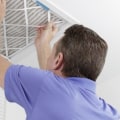
Simple tasks such as changing filters regularly and scheduling annual professional inspections can prevent costly repairs down the line.
- Energy Efficiency Audits: Conducting an energy audit can help identify areas where energy is being wasted in the home. By addressing these issues, homeowners can improve overall efficiency and reduce reliance on their HVAC systems.
- Research and Compare: Before making a purchase, homeowners should research various brands and models. Comparing prices and features can lead to better-informed decisions that align with both budget and efficiency needs.
- Consider Financing Options: Many HVAC companies offer financing plans that allow homeowners to spread out the cost of a new system over time. This can make it easier to manage expenses without sacrificing comfort.
By staying informed and making strategic decisions regarding air conditioner replacement, homeowners can ensure their living spaces remain comfortable without breaking the bank.
Strategies for Managing Rising HVAC Costs
As the costs associated with HVAC systems continue to rise, homeowners are increasingly seeking effective strategies to manage these expenses. By implementing a combination of proactive maintenance, smart purchasing decisions, and energy-efficient practices, homeowners can mitigate the financial impact of rising HVAC costs.1.Prioritize Regular Maintenance
- Regular maintenance is crucial for extending the lifespan of your HVAC system and ensuring it operates efficiently. Schedule annual inspections with a qualified technician to identify potential issues before they escalate into costly repairs.
- Change air filters every 1-3 months to maintain optimal airflow and efficiency. Clogged filters can lead to increased energy consumption and strain on the system.
- Consider signing up for a maintenance plan with your HVAC provider.
These plans often include regular check-ups and discounts on repairs, providing peace of mind and potential savings.
2.Invest in Energy-Efficient Systems
- When it comes time for an air conditioner replacement, consider investing in an energy-efficient model. Look for units with a high SEER (Seasonal Energy Efficiency Ratio) rating, as these systems consume less energy while providing the same level of cooling.
- Although energy-efficient systems may have a higher upfront cost, they can lead to significant savings on utility bills over time. Additionally, many states offer rebates or tax incentives for upgrading to energy-efficient appliances.
3.Utilize Smart Technology
- Smart thermostats allow homeowners to optimize their HVAC usage by adjusting temperatures based on occupancy and time of day. This technology can help reduce energy consumption and lower monthly bills.
- Consider integrating smart home systems that monitor energy usage and provide insights into how you can further reduce costs.
4.Seal and Insulate Your Home
- Improper insulation and air leaks can lead to significant energy loss, forcing your HVAC system to work harder than necessary.
Conduct an energy audit to identify areas where air leaks may occur, such as around windows, doors, and ductwork.
- Seal any gaps with caulk or weatherstripping and consider adding insulation in attics or crawl spaces to improve overall efficiency.
5.Be Mindful of Usage Patterns
- Adjusting your thermostat by just a few degrees can lead to substantial savings on your energy bill. During peak summer months, set your thermostat higher when you are away from home.
- Utilize ceiling fans to circulate cool air more effectively, allowing you to raise the thermostat setting without sacrificing comfort.
Frequently Asked Questions About HVAC Costs in 2023
As homeowners navigate the complexities of HVAC costs in 2023, several common questions arise regarding air conditioner replacement and overall pricing trends. Here, we address some of the most frequently asked questions to provide clarity and assist consumers in making informed decisions.What factors contribute to the rising costs of air conditioner replacement?
The cost of replacing an air conditioner can be influenced by several factors:- Material Costs: The prices of essential materials like steel, copper, and aluminum have surged, impacting the overall cost of HVAC systems.
- Labor Shortages: A shortage of skilled technicians can lead to higher labor costs as companies compete for qualified workers.
- Energy Efficiency Standards: New regulations often require more energy-efficient systems, which can be pricier upfront but save money in the long run.
- Supply Chain Disruptions: Ongoing supply chain issues can delay installations and increase costs due to limited availability of components.
How can I determine if it’s time to replace my air conditioner?
Several signs indicate that it may be time for an air conditioner replacement:- Age: If your system is over 10-15 years old, it may be less efficient and more prone to breakdowns.
- Frequent Repairs: If you find yourself calling for repairs multiple times a year, it may be more cost-effective to invest in a new unit.
- Increased Energy Bills: A noticeable spike in your energy bills could indicate that your system is working harder than it should be.
- Ineffective Cooling: If certain areas of your home are not being cooled effectively, it may signal that your system is failing.
What should I expect during the replacement process?
The air conditioner replacement process typically involves several steps:- Consultation: A professional will assess your current system and discuss your cooling needs.
- Selection: You’ll choose a new unit based on efficiency ratings, size, and budget.
- Installation: Technicians will remove the old unit and install the new one, ensuring all connections are secure and compliant with local codes.
- Post-Installation Check: After installation, a technician will test the system to ensure it operates correctly.
By staying informed about market trends and recognizing when it's time for an upgrade, homeowners can navigate the rising costs with confidence.
Conclusion: Navigating the Future of HVAC Costs and Air Conditioner Replacement
As we look ahead to 2023, it is clear that the HVAC industry is on the brink of significant transformation, particularly concerning air conditioner replacement. The factors driving the rising costs are multifaceted, encompassing everything from material price increases to labor shortages and the ongoing push for energy efficiency. Understanding these elements is crucial for homeowners and businesses alike as they navigate their HVAC needs.One of the most pressing issues is the escalating cost of materials. With essential components like steel and copper seeing substantial price hikes, the financial implications for both new installations and repairs are profound.Homeowners must be prepared for these changes, as they will likely see higher quotes for air conditioner replacement and maintenance services.Moreover, the labor market presents its own challenges. The shortage of skilled technicians not only affects service availability but also contributes to increased labor costs. This situation underscores the importance of planning ahead; waiting until a system fails could lead to rushed decisions and potentially higher expenses.The shift towards energy-efficient systems is another critical factor influencing costs. While these systems may require a larger initial investment, they promise long-term savings through reduced energy bills.
Homeowners should weigh these benefits against upfront costs when considering air conditioner replacement.In conclusion, being informed about the rising costs associated with HVAC services is essential for making sound decisions regarding air conditioner replacement. By understanding the market dynamics at play, consumers can better prepare themselves financially and strategically. Regular maintenance of existing systems can also mitigate some of these rising costs, extending the lifespan of current units and delaying the need for replacement.Ultimately, as we move into 2023, staying proactive and educated will empower homeowners to navigate the complexities of HVAC costs effectively. Whether it’s through timely maintenance or strategic investments in new technology, informed choices will lead to better outcomes in managing heating and cooling needs.