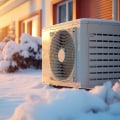
Heating, ventilation, and air conditioning (HVAC) systems are essential components of modern homes and buildings, providing comfort and maintaining indoor air quality. Understanding the fundamentals of HVAC systems is crucial for homeowners and building managers alike, as it lays the groundwork for effective maintenance and efficient operation. An HVAC system is designed to regulate temperature, humidity, and air quality, ensuring a comfortable environment regardless of external weather conditions. There are several types of HVAC systems available, each tailored to meet specific needs. The most common types include split systems, packaged systems, ductless mini-split systems, and central air conditioning systems.
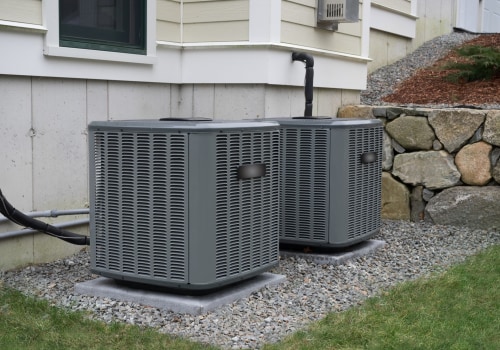
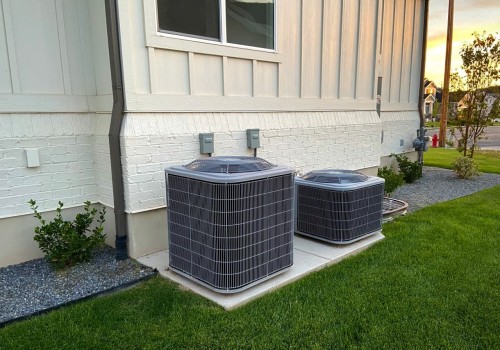
Split systems consist of an outdoor unit that houses the compressor and condenser, while the indoor unit contains the evaporator coil. Packaged systems combine all components into a single unit, typically installed on the roof or a concrete slab outside the building. Ductless mini-split systems offer flexibility by allowing for zoned heating and cooling without the need for ductwork. Lastly, central air conditioning systems distribute cooled air through a network of ducts, making them ideal for larger spaces. The effectiveness of any HVAC system relies on its key components.
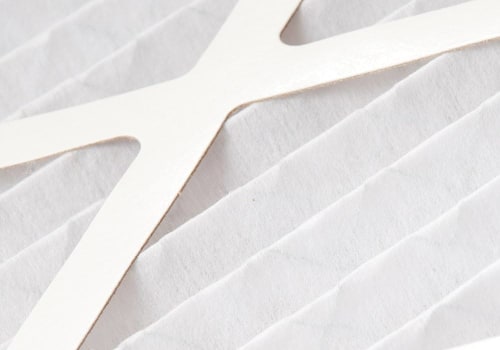
These include the thermostat , which regulates temperature settings; the compressor , responsible for circulating refrigerant; the evaporator coil , which absorbs heat from indoor air; and the condenser coil , which releases heat outdoors. Additionally, air filters play a vital role in maintaining air quality by trapping dust, allergens, and other particles. Regular maintenance of these components is essential to ensure optimal performance and longevity of the system. By familiarizing yourself with these basic concepts of HVAC systems—what they are, their various types, and their critical components—you can better appreciate the importance of regular maintenance. This knowledge not only empowers you to make informed decisions regarding your HVAC system but also helps you recognize when it may be time for an air conditioner replacement.
The Importance of Regular HVAC Maintenance
Regular maintenance of your HVAC system is not just a good practice; it is essential for ensuring optimal performance and longevity.One of the primary benefits of routine HVAC maintenance is enhanced efficiency. When your system is well-maintained, it operates more smoothly, which translates to lower energy consumption. This efficiency can lead to significant cost savings on your monthly utility bills.Moreover, regular maintenance helps in identifying potential issues before they escalate into major problems. For instance, a small refrigerant leak can be easily fixed during a routine check-up, but if left unattended, it could lead to a complete system failure requiring an expensive air conditioner replacement.
By investing in regular maintenance, you are essentially safeguarding your investment in your HVAC system.Another critical aspect of maintaining your HVAC system is extending its lifespan. Most HVAC systems are designed to last between 10 to 15 years, but neglecting maintenance can significantly shorten this lifespan. Regular inspections and tune-ups can help ensure that all components are functioning correctly and efficiently, thereby prolonging the life of your system.In addition to efficiency and longevity, regular maintenance also contributes to improved indoor air quality. A well-maintained HVAC system filters out dust, allergens, and other pollutants, creating a healthier living environment for you and your family.
This is particularly important for individuals with respiratory issues or allergies.Furthermore, many manufacturers require proof of regular maintenance to honor warranties. Failing to adhere to these guidelines could result in voiding your warranty, leaving you responsible for costly repairs or replacements.In summary, the importance of regular HVAC maintenance cannot be overstated. From enhancing efficiency and saving costs to extending the lifespan of your system and improving indoor air quality, the benefits are numerous. By prioritizing routine maintenance, you not only protect your investment but also ensure a comfortable and healthy home environment.
Signs Your Air Conditioner Needs Replacement
As a homeowner, understanding the signs of AC failure is crucial for maintaining a comfortable living environment.An air conditioning unit is a significant investment, and recognizing when it’s time for air conditioner replacement can save you from unexpected breakdowns and costly repairs.Here are some key indicators that your air conditioner may need to be replaced:
- Age of the Unit: Most air conditioning systems have a lifespan of about 10 to 15 years. If your unit is approaching or has surpassed this age, it may be time to consider a replacement. Older units are often less efficient and more prone to breakdowns.
- Increased Energy Bills: If you notice a significant spike in your energy bills without any changes in usage, it could indicate that your air conditioner is working harder than it should. This inefficiency often stems from aging components or refrigerant leaks.
- Frequent Repairs: If you find yourself calling for repairs multiple times a year, it may be more cost-effective to replace the unit rather than continue investing in repairs.
A good rule of thumb is the "$5,000 rule"—if the cost of repairs exceeds 50% of the unit's value and it's over 10 years old, replacement is likely the better option.
- Inconsistent Temperatures: If certain rooms in your home are consistently warmer or cooler than others, this could indicate that your air conditioning system is struggling to distribute cool air evenly. This inconsistency can be a sign of failing components or an undersized system.
- Noisy Operation: Unusual sounds such as grinding, squealing, or banging can indicate serious issues within the unit. While some noises can be fixed with repairs, persistent loud operation may suggest that the system is nearing its end.
- Humidity Issues: An effective air conditioning system not only cools but also dehumidifies the air. If you notice excessive humidity indoors, it could mean that your AC isn’t functioning properly and may need replacement.
- Refrigerant Leaks: If you discover puddles or signs of refrigerant leaks around your unit, this is a serious issue.
Not only does it affect cooling efficiency, but it can also lead to environmental concerns. In many cases, replacing the unit is more practical than repairing leaks.
DIY HVAC Maintenance Tips
Maintaining your HVAC system doesn’t always require a professional. There are several DIY HVAC maintenance tasks that homeowners can perform to ensure their systems run efficiently and effectively.By taking a proactive approach, you can save money on repairs and extend the lifespan of your equipment.
1.Regularly Change or Clean Air Filters
- One of the simplest yet most impactful tasks is to change or clean your air filters every 30 to 90 days, depending on usage and filter type. A clean filter improves airflow and efficiency, reducing energy costs.
- To change the filter, turn off your HVAC system, locate the filter compartment, and remove the old filter. Insert a new one, ensuring it fits snugly and is oriented correctly.
2.Inspect and Clean Vents and Ducts
- Dust and debris can accumulate in vents and ducts, obstructing airflow. Regularly inspect these areas for blockages.
- Use a vacuum with a brush attachment to clean visible dust from vents.
For deeper cleaning, consider hiring a professional duct cleaning service every few years.
3.Check Thermostat Settings
- Your thermostat plays a crucial role in regulating your HVAC system. Ensure it is set to the desired temperature and functioning correctly.
- If you have an older manual thermostat, consider upgrading to a programmable or smart thermostat for better energy management.
4.Inspect Outdoor Units
- If you have an outdoor air conditioning unit, keep it clear of debris such as leaves, dirt, and grass clippings. This ensures proper airflow and prevents overheating.
- Check the unit for any signs of rust or damage. If you notice any issues, consult a professional for repairs.
5.Test Your System Seasonally
- Before the start of each season, test your HVAC system to ensure it’s operating correctly.
Turn on the heating in fall and cooling in spring to check for any unusual noises or inefficiencies.
- If you notice anything out of the ordinary, it may be time to call in an expert for a thorough inspection.
6.Insulate Ductwork
- If your home has ductwork that runs through unconditioned spaces like attics or crawl spaces, ensure it is properly insulated. This helps maintain temperature and improves efficiency.
- Look for any gaps or tears in insulation and repair them with duct tape or insulation material as needed.
Professional HVAC Maintenance Services
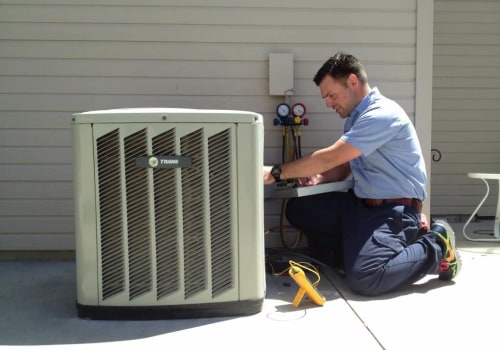
When it comes to maintaining your HVAC system, the expertise of professional HVAC technicians is invaluable. These trained professionals possess the knowledge and skills necessary to ensure that your heating, ventilation, and air conditioning systems operate at peak efficiency.Regular service visits from an HVAC technician can significantly enhance the performance and longevity of your system.Regular service visits from an HVAC technician can significantly enhance the performance and longevity of your system.
Benefits of Hiring a Professional HVAC Technician
- Thorough Inspections: A professional technician conducts comprehensive inspections of your HVAC system, identifying potential issues that may not be visible to the untrained eye. This proactive approach helps prevent minor problems from escalating into major repairs.
- Expertise in Repairs: Should any issues arise, a qualified technician has the expertise to perform necessary repairs safely and effectively. This not only ensures that your system is fixed correctly but also minimizes the risk of further damage.
- Energy Efficiency: Regular maintenance by a professional can lead to improved energy efficiency. Technicians can clean components, replace worn parts, and make adjustments that help your system run more efficiently, ultimately saving you money on energy bills.
- Extended Lifespan: By scheduling routine maintenance, you can extend the lifespan of your HVAC system.
A well-maintained unit is less likely to experience breakdowns and will serve you well for many years.
- Safety Assurance: HVAC systems can pose safety risks if not properly maintained. Professionals are trained to identify and rectify potential hazards, ensuring that your home remains safe for you and your family.
Scheduling Regular Service Visits
It is recommended to schedule professional maintenance visits at least twice a year—once in the spring and once in the fall. This timing allows technicians to prepare your system for the upcoming seasonal demands. During these visits, technicians will perform essential tasks such as:
- Cleaning or replacing air filters
- Checking refrigerant levels
- Inspecting electrical connections
- Lubricating moving parts
- Testing thermostat accuracy
By hiring a qualified technician, you not only protect your investment but also enhance the comfort and safety of your home.
Creating a Maintenance Schedule
Creating an effective maintenance schedule for your HVAC system is essential to ensure its longevity and optimal performance. A well-structured plan not only helps in identifying potential issues early but also maximizes energy efficiency, ultimately saving you money on utility bills.1.Understand Your System's Needs
Every HVAC system is unique, and understanding its specific requirements is the first step in developing a maintenance schedule. Consult your owner’s manual or speak with a qualified HVAC technician to determine the recommended service intervals for your system. Generally, it’s advisable to have your system serviced at least twice a year—once in the spring and once in the fall.
2.Seasonal Maintenance Tasks
- Spring: Before the summer heat sets in, ensure your air conditioning unit is ready to perform.
This includes cleaning or replacing filters, checking refrigerant levels, and inspecting electrical components.
- Fall: As temperatures drop, prepare your heating system for winter. This involves cleaning the furnace, checking for gas leaks, and ensuring that all vents are clear of obstructions.
3.Monthly Checks
In addition to seasonal maintenance, there are several tasks you should perform monthly:
- Inspect and replace air filters as needed—typically every 30 to 90 days.
- Check the thermostat settings to ensure they are accurate and functioning properly.
- Examine the outdoor unit for debris or obstructions that could hinder airflow.
4.Keep a Maintenance Log
Documenting all maintenance activities can help you track what has been done and when. This log can be invaluable when troubleshooting issues or when it’s time for a replacement. Include dates of service, tasks completed, and any observations made during inspections.
5.Professional Inspections
While many tasks can be performed by homeowners, it’s crucial to schedule professional inspections at least twice a year.
A qualified technician can identify issues that may not be visible to the untrained eye and provide recommendations tailored to your specific system.By following these guidelines and creating a comprehensive maintenance schedule, you can ensure that your HVAC system operates efficiently throughout the year, reducing the likelihood of unexpected breakdowns and costly repairs.
Common HVAC Problems and Solutions
Maintaining an HVAC system is crucial for ensuring comfort in your home, but even the best systems can encounter issues over time. Understanding common HVAC problems and their solutions can help you troubleshoot effectively and prevent costly repairs.1.Inadequate Cooling or Heating
If your air conditioner isn't cooling or your heater isn't warming as expected, it could be due to several factors:- Dirty Filters: Clogged filters restrict airflow, making it difficult for your system to maintain the desired temperature. Regularly changing or cleaning filters every 30 to 90 days can prevent this issue.
- Thermostat Issues: Ensure that your thermostat is functioning correctly. Sometimes, recalibrating or replacing the batteries can resolve temperature discrepancies.
- Refrigerant Leaks: Low refrigerant levels can hinder cooling efficiency.
If you suspect a leak, contact a professional to inspect and recharge your system.
2.Unusual Noises
Noises such as banging, rattling, or hissing can indicate underlying problems:- Banging or Clanking: This may suggest loose components or debris in the fan. Inspecting and securing parts can often resolve this issue.
- Hissing Sounds: A hissing noise could indicate a refrigerant leak or an issue with the ductwork. It's best to consult an HVAC technician for a thorough diagnosis.
3.Frequent Cycling
If your HVAC system turns on and off frequently, it may be short cycling, which can lead to increased wear and tear:- Oversized System: An improperly sized unit may cool or heat too quickly, causing it to cycle frequently. Consulting with an HVAC professional can help determine the right size for your home.
- Dirty Coils: Dirty evaporator or condenser coils can impede heat exchange, leading to short cycling.
Regular cleaning during maintenance visits is essential.
4.High Energy Bills
If you notice a spike in your energy bills, it could be a sign of inefficiency:- Poor Insulation: Check for drafts around windows and doors that may cause your system to work harder than necessary.
- Lack of Maintenance: Regular maintenance helps keep your system running efficiently. Schedule annual check-ups to ensure optimal performance.
Energy Efficiency and Your HVAC System
Energy efficiency is a critical aspect of any HVAC system, as it directly impacts both your utility bills and the environment. Regular maintenance plays a vital role in ensuring that your heating, ventilation, and air conditioning system operates at peak efficiency.When your HVAC system is well-maintained, it can significantly reduce energy consumption, leading to lower costs and a smaller carbon footprint.One of the primary ways to enhance the energy efficiency of your HVAC system is through routine inspections and servicing. During these maintenance visits, technicians can identify and rectify issues such as:
- Dirty filters: Clogged filters restrict airflow, forcing your system to work harder and consume more energy. Replacing or cleaning filters every 30 to 90 days can lead to substantial energy savings.
- Refrigerant levels: Low refrigerant levels can cause your air conditioner to operate inefficiently. A technician can check and recharge the refrigerant as needed.
- Thermostat calibration: An improperly calibrated thermostat can lead to unnecessary energy use.
Ensuring that your thermostat is set correctly can optimize your system's performance.
- Seal ducts: Leaky ducts can account for significant energy loss. Sealing and insulating ducts can improve airflow and reduce the workload on your HVAC system.
- Upgrade insulation: Proper insulation in your home helps maintain temperature, reducing the demand on your HVAC system. Consider adding insulation in attics, walls, and floors.
- Utilize programmable thermostats: These devices allow you to set specific temperatures for different times of the day, ensuring that your HVAC system only runs when necessary.
- Regularly clean outdoor units: Keeping the area around your outdoor condenser unit clear of debris ensures optimal airflow and efficiency.
Conclusion: The Path to a Well-Maintained HVAC System
In conclusion, maintaining your HVAC system is not just a matter of convenience; it is essential for ensuring optimal performance and longevity.Throughout this guide, we have explored various aspects of HVAC maintenance, emphasizing the critical role it plays in enhancing the efficiency of your heating and cooling systems.Regular maintenance helps to identify potential issues before they escalate into costly repairs or even necessitate an air conditioner replacement. By scheduling routine inspections and servicing, you can catch minor problems early, allowing for timely interventions that can save you both time and money.Moreover, a well-maintained HVAC system operates more efficiently, which translates to lower energy bills. Simple tasks such as changing filters regularly and adjusting settings according to seasonal needs can significantly impact your system's performance. These small actions contribute to a healthier indoor environment and ensure that your home remains comfortable year-round.It is also important to remember that while some maintenance tasks can be performed by homeowners, others should be left to professionals.
Engaging a qualified HVAC technician for annual check-ups ensures that all components of your system are functioning correctly and safely. This professional oversight is crucial for addressing complex issues that may arise over time.To summarize, the path to a well-maintained HVAC system involves:
- Regular inspections: Schedule biannual check-ups to keep your system in top shape.
- Filter changes: Replace or clean filters every 30 to 90 days to maintain airflow and efficiency.
- Seasonal adjustments: Modify settings based on seasonal changes to optimize performance.
- Professional assistance: Rely on HVAC experts for complex repairs and maintenance tasks.