Understanding the efficiency of your air conditioner is crucial not only for maintaining a comfortable indoor environment but also for managing your energy costs effectively. As temperatures rise, the demand for cooling increases, leading many homeowners to rely heavily on their air conditioning systems. However, without a clear grasp of how to optimize these systems, you may find yourself facing unexpectedly high energy bills. This is where the concept of air conditioner efficiency comes into play.Air conditioner efficiency refers to how effectively your unit converts electricity into cooling power.
The higher the efficiency rating, the less energy your system will consume to maintain a desired temperature. This is particularly important in the context of rising energy prices and environmental concerns. By understanding and improving your AC's efficiency, you can not only save money but also reduce your carbon footprint.One of the most significant factors influencing air conditioner efficiency is the temperature setting on your thermostat. Finding the optimal AC temperature can lead to substantial energy savings while still keeping your home comfortable.
For instance, setting your thermostat too low can cause your unit to work harder than necessary, leading to increased wear and tear and higher energy consumption. Conversely, setting it too high may leave you feeling uncomfortably warm, prompting you to adjust it frequently.In this article, we will explore various strategies for enhancing air conditioner efficiency, including optimal temperature settings for different scenarios—whether you're at home, away, or sleeping. By implementing these practices, you can enjoy a cooler home without sacrificing your budget or the environment.
The Recommended Temperature Settings for Your AC
When it comes to optimizing your air conditioning system for energy efficiency, understanding the recommended temperature settings is essential. Various authorities, including the U.S. Department of Energy
and Energy Star , provide guidelines that can help you maintain a comfortable environment while minimizing energy costs.The U. Department of Energy suggests that when you are at home, the ideal thermostat setting is 78°F (26°C). This temperature strikes a balance between comfort and energy savings, allowing you to enjoy a cool indoor climate without incurring excessive electricity bills.While some may find this temperature slightly warm, it is important to remember that every degree lower can significantly increase your energy consumption.For those times when you are away from home, it is advisable to adjust your thermostat settings to save even more energy. The Department of Energy recommends raising your indoor temperature by 7° to 10°F (13-18°C). This means setting your thermostat to around 85°F (29°C) when you are not at home. This adjustment helps prevent your air conditioning unit from working overtime while still keeping your home from becoming excessively hot and uncomfortable.At night, when the body naturally cools down, a slightly lower temperature can enhance sleep quality.
Energy Star recommends setting your thermostat to 82°F (28°C)82°F (28°C) during sleeping hours. This setting not only promotes better sleep but also contributes to energy savings compared to running the AC at daytime levels.In summary, adhering to these recommended temperature settings can lead to significant energy savings:
- 78°F (26°C) when at home
- 85°F (29°C) when away
- 82°F (28°C) for sleeping
How Temperature Affects Energy Consumption
Understanding how temperature settings impact energy consumption is crucial for optimizing the efficiency of your air conditioning system. The relationship between temperature and energy use is not merely a matter of comfort; it directly influences your utility bills and the longevity of your AC unit.When you set your air conditioner to a lower temperature, the system works harder to maintain that cool environment.This increased workload leads to higher energy consumption. For instance, if you set your thermostat to 70°F (21°C) instead of the recommended 78°F (26°C), your air conditioner may use up to 10% more energy for every degree below 78°F. This can significantly inflate your monthly energy costs.Moreover, the efficiency of your air conditioning system can be affected by several factors:
- Humidity Levels: High humidity can make it feel warmer than it actually is, prompting users to lower their thermostat settings. However, running an AC unit at lower temperatures in humid conditions can lead to excessive energy use without providing additional comfort.
- Insulation Quality: Homes with poor insulation allow cool air to escape, forcing the AC to work harder.
Proper insulation can help maintain a stable indoor temperature, reducing the need for drastic temperature settings.
- AC Maintenance: Regular maintenance, such as cleaning filters and checking refrigerant levels, ensures that your air conditioner operates efficiently. A well-maintained unit consumes less energy, even at lower temperature settings.
By setting your thermostat wisely and considering external factors like humidity and insulation, you can enjoy a cool home while minimizing energy consumption and costs.
Adjusting Your Thermostat When You're Away
When it comes to maximizing energy savings while ensuring your home remains comfortable, adjusting your thermostat when you're away is a crucial step. Many homeowners mistakenly believe that turning off their air conditioner completely will save the most energy. However, this approach can lead to higher energy costs in the long run, as the system has to work harder to cool down a hot house upon your return.Instead, consider these effective strategies for thermostat settings when you are not at home:- Set a Higher Temperature: The U. Department of Energy recommends raising your thermostat by 7° to 10°F (approximately 4° to 6°C) when you leave for the day.
For instance, if you typically keep your home at 78°F (26°C), setting it to around 85°F (29°C) while you're away can significantly reduce energy consumption without compromising comfort too much.
- Utilize Programmable Thermostats: Investing in a programmable or smart thermostat can automate temperature adjustments based on your schedule. These devices allow you to set specific times for temperature changes, ensuring that your home is cool and comfortable by the time you return.
- Consider Zoning Systems: If your home has multiple levels or distinct areas, a zoning system can help manage temperatures more efficiently. This allows you to cool only the areas that are in use, further enhancing energy savings.
- Monitor Humidity Levels: High humidity can make a warm house feel even hotter. If you live in a humid climate, consider using a dehumidifier or setting your AC to maintain a comfortable humidity level even when you're not home.
Remember that every degree counts; even small adjustments can lead to significant savings over time. Additionally, if you're considering an air conditioner replacement, look for models with advanced features that enhance energy efficiency and offer smart technology integration.Ultimately, finding the right balance between comfort and energy efficiency is key. By adjusting your thermostat appropriately when you're away, you not only save money but also contribute to a more sustainable environment.
Optimal Settings for Sleeping Comfortably
When it comes to achieving a restful night’s sleep, the temperature of your bedroom plays a crucial role. Studies have shown that the ideal sleeping temperature is generally between 60°F and 67°F (15°C to 19°C).This range not only promotes comfort but also enhances the quality of your sleep, allowing your body to enter deeper sleep cycles.Setting your air conditioner to a cooler temperature at night can significantly improve your sleep experience. However, it’s essential to balance comfort with energy efficiency. Here are some tips for optimizing your AC settings for sleep:
- Adjust Your Thermostat: Consider setting your thermostat to around 65°F (18°C) before bedtime. This temperature is often cited as ideal for promoting sleep, as it helps lower your body temperature, signaling that it’s time to rest.
- Use a Programmable Thermostat: If you have a programmable thermostat, take advantage of its features.
Set it to cool your home down about an hour before you go to bed. This way, you can enjoy a comfortable sleeping environment without running the AC all night.
- Nighttime Temperature Adjustments: If you find that 65°F feels too cold during the night, consider gradually increasing the temperature by a degree or two. This allows you to find the sweet spot that keeps you comfortable while still being energy-efficient.
- Bedding Choices: Use breathable materials for your sheets and blankets. Cotton and linen are excellent choices as they allow for better airflow and moisture-wicking properties.
- Humidity Control: High humidity can make even cooler temperatures feel uncomfortable.
Using a dehumidifier in conjunction with your air conditioner can help maintain an optimal humidity level, enhancing overall comfort.
- Ventilation: Ensure proper ventilation in your bedroom. Keeping doors open or using ceiling fans can help circulate cool air more effectively.
The Role of Humidity in Air Conditioning Efficiency
Humidity plays a crucial role in the overall efficiency of your air conditioning system. When humidity levels are high, the air feels warmer than it actually is, which can lead to increased energy consumption as your air conditioner works harder to maintain a comfortable indoor temperature.Understanding how humidity affects your AC's performance can help you make informed decisions about settings and adjustments that enhance energy efficiency.When the air is humid, it holds more moisture, making it feel warmer. This phenomenon is often referred to as the "heat index." As a result, your air conditioner must not only cool the air but also remove excess moisture to create a comfortable environment. This dual function can strain your system, leading to higher energy bills and potential wear and tear on your unit.To optimize your air conditioner's performance in humid conditions, consider the following strategies:
- Adjust Your Thermostat: During periods of high humidity, you may need to set your thermostat slightly lower than the recommended 78°F (26°C) to compensate for the discomfort caused by moisture in the air. A setting of around 75°F (24°C) can help balance comfort and efficiency.
- Utilize Dehumidifiers: If humidity levels are consistently high in your area, investing in a dehumidifier can significantly improve comfort.
By reducing indoor humidity, you allow your air conditioner to operate more efficiently, as it will have less moisture to remove from the air.
- Regular Maintenance: Ensure that your AC unit is well-maintained. Clogged filters and dirty coils can hinder airflow and reduce efficiency. Regularly changing filters and scheduling professional maintenance can help keep your system running smoothly.
- Seal Leaks: Check for any leaks around windows and doors that may allow humid air to enter your home. Sealing these leaks can help maintain a consistent indoor environment and reduce the workload on your AC.
Not only will this lead to a more comfortable living space, but it will also contribute to lower energy costs and extend the lifespan of your air conditioning unit.
Maintaining Your Air Conditioner for Optimal Performance
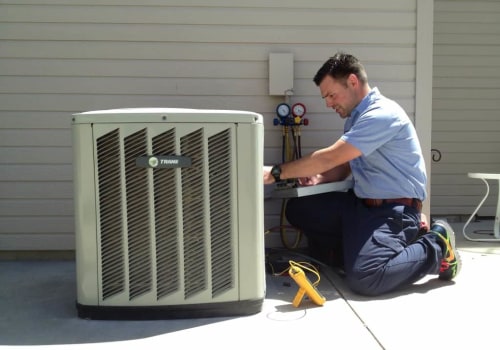
To ensure your air conditioning unit operates at peak efficiency, regular maintenance is essential. A well-maintained AC not only cools your home effectively but also extends the lifespan of the unit, ultimately saving you money on air conditioner replacement costs. Here are some key tips for maintaining your air conditioner:- Change or Clean Filters Regularly: One of the simplest yet most effective maintenance tasks is to check and replace or clean your air filters every 1-3 months. Clogged filters restrict airflow, making your AC work harder and less efficiently.
- Keep the Outdoor Unit Clear: Ensure that the outdoor condenser unit is free from debris such as leaves, dirt, and grass clippings.
A clear space around the unit allows for proper airflow and enhances cooling efficiency.
- Inspect Ductwork: Leaky ducts can lead to significant energy loss. Regularly inspect your ductwork for any signs of wear or damage and seal any leaks to improve overall system efficiency.
- Schedule Professional Maintenance: At least once a year, have a qualified technician perform a thorough inspection and tune-up of your AC system. This can help identify potential issues before they become costly repairs.
- Check Thermostat Settings: Ensure that your thermostat is functioning correctly and is set to the optimal temperature for energy efficiency. Consider upgrading to a programmable thermostat for better control over your cooling schedule.
- Clean the Coils: Both the evaporator and condenser coils should be cleaned regularly to remove dirt buildup.
Dirty coils can hinder heat exchange, leading to reduced efficiency and increased energy consumption.
When to Consider Air Conditioner Replacement
Deciding when to replace your air conditioner is a critical aspect of maintaining energy efficiency in your home. An aging or malfunctioning AC unit can lead to increased energy bills and decreased comfort.Here are some key signs that indicate it may be time to consider an air conditioner replacement.
- Age of the Unit: Most air conditioning units have a lifespan of about 10 to 15 years. If your system is approaching or has surpassed this age, it may be less efficient and more prone to breakdowns. Investing in a new unit can save you money in the long run.
- Frequent Repairs: If you find yourself calling for repairs multiple times each season, it may be more cost-effective to replace the unit rather than continue pouring money into repairs. A reliable AC should not require constant attention.
- Increased Energy Bills: A sudden spike in your energy bills can indicate that your air conditioner is working harder than it should.
If your unit is struggling to maintain the desired temperature, it may be time for an upgrade.
- Inconsistent Temperatures: If certain rooms in your home are significantly warmer or cooler than others, this could signal that your AC is no longer distributing air effectively. A new system can provide better airflow and temperature regulation.
- Noisy Operation: Unusual sounds such as grinding, squealing, or rattling can indicate mechanical issues within the unit. If these noises become frequent, it might be a sign that replacement is necessary.
For instance, many new systems come equipped with variable-speed compressors and smart thermostats that optimize energy use based on real-time conditions.When considering an air conditioner replacement, it's essential to evaluate the energy efficiency rating of potential units. Look for models with a high Seasonal Energy Efficiency Ratio (SEER) rating, as these will consume less electricity while providing optimal cooling performance.In conclusion, recognizing the signs that indicate it's time for an air conditioner replacement can lead to improved energy efficiency and comfort in your home. By investing in a new system, you not only enhance your living environment but also contribute to long-term savings on energy costs.
Frequently Asked Questions About AC Usage and Efficiency
When it comes to air conditioning, many homeowners have questions about how to optimize their systems for both comfort and energy efficiency. Below are some of the most frequently asked questions regarding AC usage and efficiency.What is the best temperature to set my air conditioner for energy efficiency?
The U.Department of Energy recommends setting your thermostat to 78°F (26°C) when you are at home. This temperature strikes a balance between comfort and energy savings. When you are away, consider raising the temperature by 7° to 10°F (13-18°C) to further enhance efficiency.
How can I save energy while using my air conditioner?
- Regular Maintenance: Ensure your AC unit is serviced regularly to keep it running efficiently.
- Use a Programmable Thermostat: This allows you to set different temperatures for when you are home and away, optimizing energy use.
- Seal Leaks: Check for and seal any leaks in windows and doors to prevent cool air from escaping.
- Utilize Fans: Ceiling fans can help circulate cool air, allowing you to set your thermostat a few degrees higher without sacrificing comfort.
Is it more efficient to leave the AC on all day or turn it off when I leave?
Many people believe that turning off the AC saves energy, but this is not always the case. If you turn it off completely, your home can heat up quickly, requiring more energy to cool down again when you return.Instead, consider raising the temperature setting while you're away.
What should I do if my air conditioner is not cooling effectively?
If your air conditioner is struggling to maintain a comfortable temperature, check the following:- Air Filters: Dirty filters can restrict airflow and reduce efficiency. Change or clean them regularly.
- Thermostat Settings: Ensure your thermostat is functioning correctly and set to the desired temperature.
- Insulation: Poor insulation can lead to significant energy loss. Consider upgrading your insulation if necessary.
Conclusion: Achieving Energy Efficiency with Your Air Conditioner
In conclusion, achieving energy efficiency with your air conditioner is not just about choosing the right unit or performing regular maintenance; it significantly hinges on setting the optimal temperature. Throughout this article, we have explored various aspects of air conditioning usage, emphasizing how temperature settings can impact both comfort and energy consumption.To recap, the U.Department of Energy recommends a thermostat setting of 78°F (26°C) when you are at home. This temperature strikes a balance between comfort and energy savings, allowing you to enjoy a cool environment without incurring exorbitant electricity costs. When you leave your home, consider raising the temperature by 7° to 10°F (13-18°C). This simple adjustment can lead to significant savings on your energy bill while still maintaining a livable indoor climate.Moreover, during nighttime hours, when your body naturally cools down, setting your thermostat to 82°F (28°C) can enhance your sleep quality without compromising energy efficiency.
It’s essential to recognize that while these temperatures may feel warm initially, they are designed to optimize your air conditioner's performance and reduce unnecessary energy expenditure.Additionally, investing in an air conditioner replacement when your current unit is outdated or inefficient can further enhance your energy savings. Modern air conditioning systems are designed with advanced technology that allows for better temperature control and lower energy consumption. By upgrading to a more efficient model, you not only improve your home's comfort but also contribute positively to the environment by reducing your carbon footprint.Ultimately, the key takeaway is that small adjustments in temperature settings can lead to substantial savings over time. By being mindful of how you use your air conditioner and making informed decisions about its operation, you can enjoy a comfortable living space while also being responsible stewards of energy resources.In summary, achieving energy efficiency with your air conditioner is a multifaceted approach that includes optimal temperature settings, regular maintenance, and considering an upgrade when necessary.
By implementing these strategies, you can ensure that your home remains cool and comfortable without breaking the bank.