Understanding the lifespan of air conditioners is crucial for homeowners, especially when considering a potential air conditioner replacement. Air conditioning units are vital for maintaining comfort in our homes, particularly during the sweltering summer months. However, like all appliances, they have a finite lifespan that can be influenced by various factors. Knowing how long your air conditioner is expected to last can help you make informed decisions about maintenance, repairs, and ultimately, replacement.Typically, modern air conditioning systems can last anywhere from 15 to 20 years, but this range can vary significantly based on several key elements.
Factors such as the quality of the unit, frequency of maintenance, and even local climate conditions play a significant role in determining how long your system will effectively cool your home. For instance, units that are regularly serviced and maintained tend to outperform those that are neglected. This makes it essential for homeowners to understand not just the average lifespan but also the signs that indicate when it might be time to consider a replacement.As you delve deeper into this topic, you'll discover that recognizing the right moment for an air conditioner replacement can save you money in the long run. An aging unit may struggle to keep up with your cooling needs, leading to increased energy bills and frequent repairs.
By being proactive and aware of your air conditioner's condition, you can avoid unexpected breakdowns and ensure a comfortable living environment year-round.
Factors Influencing Air Conditioner Lifespan
The lifespan of an air conditioner is influenced by a variety of factors, each playing a crucial role in determining how long your unit will effectively serve your home. Understanding these factors can empower homeowners to make informed decisions regarding air conditioner replacement and maintenance.1.Maintenance Practices
Regular maintenance is perhaps the most significant factor affecting the longevity of your air conditioning system. A well-maintained unit can last several years longer than one that is neglected. Key maintenance practices include:
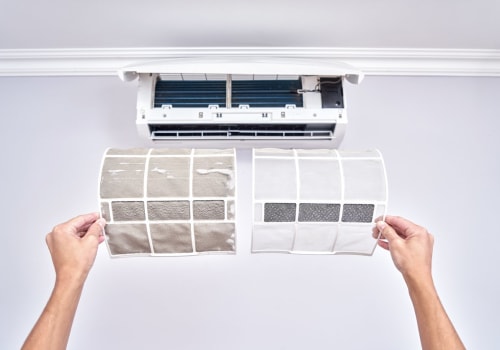
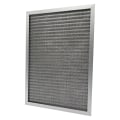
- Regular Filter Changes: Air filters should be checked and replaced every 1-3 months, depending on usage and the type of filter.
Clogged filters restrict airflow, forcing the system to work harder and potentially leading to premature failure.
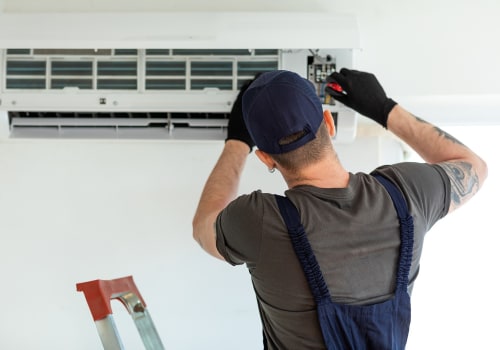
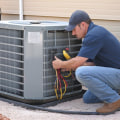
- Annual Professional Inspections: Scheduling a yearly check-up with a qualified technician can help identify potential issues before they escalate into costly repairs. Technicians can clean coils, check refrigerant levels, and ensure all components are functioning optimally.
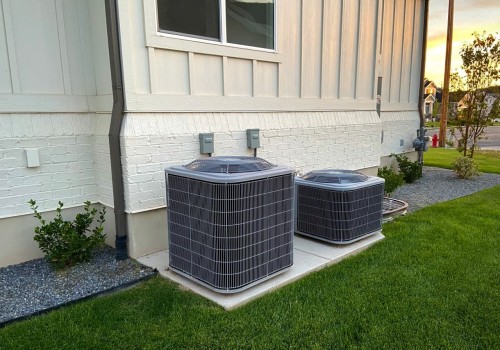
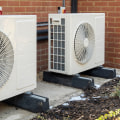
- Cleaning the Outdoor Unit: Keeping the outdoor condenser unit free from debris, such as leaves and dirt, is essential for efficient operation. Blockages can hinder airflow and reduce efficiency.
2.Environmental Conditions
The climate in which you live significantly impacts your air conditioner's lifespan. Units in hotter climates tend to work harder and may wear out faster than those in milder areas.
Consider the following:
- Humidity Levels: High humidity can strain an air conditioning system as it works to remove moisture from the air. This added stress can lead to more frequent repairs and a shorter lifespan.
- Temperature Extremes: Units operating in regions with extreme temperatures—both hot and cold—may experience increased wear and tear. Systems designed for moderate climates may not perform well under severe conditions.
- Air Quality: Poor air quality, including high levels of dust or pollutants, can clog filters and components, leading to reduced efficiency and a shorter lifespan.
3.Quality of the Unit
The initial quality of your air conditioning unit also plays a vital role in its longevity. Investing in a reputable brand known for durability can pay off in the long run.The initial quality of your air conditioning unit also plays a vital role in its longevity. Investing in a reputable brand known for durability can pay off in the long run.
Look for units with high energy efficiency ratings (SEER) as they often indicate better construction and technology.In summary, understanding these factors—maintenance practices, environmental conditions, and unit quality—can help homeowners maximize their air conditioner's lifespan and make informed decisions about air conditioner replacement.
Average Lifespan of Different Types of Air Conditioners
When considering an air conditioner replacement, understanding the average lifespan of different types of air conditioning systems is crucial. Each type of air conditioner has its own expected longevity, influenced by factors such as usage, maintenance, and environmental conditions. Below, we explore the average lifespans of central air conditioning systems, window units, and portable air conditioners.Average Lifespan of Central Air Conditioners
Central air conditioning systems are designed to cool entire homes and are typically more complex than other types of units. On average, a well-maintained central AC unit can last between 15 to 20 years.Factors that contribute to this lifespan include:
- Regular Maintenance: Routine inspections and servicing can significantly extend the life of a central AC.
- Quality of Installation: Proper installation by a qualified technician ensures optimal performance and longevity.
- Usage Patterns: Frequent use during hot months can wear down components faster than units used less frequently.
Lifespan of Window Units
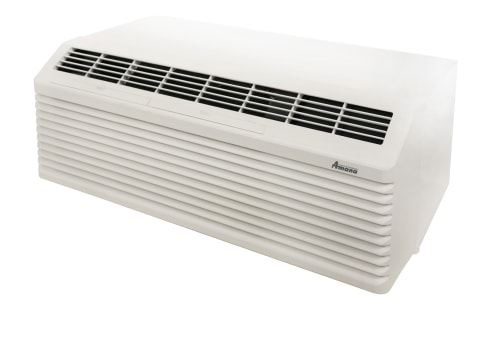
Window air conditioners are popular for their affordability and ease of installation. However, they generally have a shorter lifespan compared to central systems. The average lifespan of a window unit is around 10 to 15 years. Key factors affecting their longevity include:- Environmental Exposure: Being installed in windows exposes them to outdoor elements, which can lead to rust and wear.
- Cleaning and Maintenance: Regularly cleaning filters and coils can help maintain efficiency and extend life.
- Size Appropriateness: Using a unit that is too small or too large for the space can lead to premature failure.
Lifespan of Portable Air Conditioners
Portable air conditioners offer flexibility and convenience, making them ideal for renters or those who need temporary cooling solutions.The average lifespan of these units is typically around 5 to 12 years. Factors influencing their durability include:
- Mobility and Usage: Frequent movement can lead to wear on components, affecting overall lifespan.
- Maintenance Practices: Regularly emptying water tanks and cleaning filters are essential for optimal performance.
- Quality of the Unit: Higher-quality models tend to last longer than budget options.
Signs Your Air Conditioner Needs Replacement
Recognizing the signs that your air conditioner may need replacement is crucial for maintaining a comfortable home environment and avoiding unexpected expenses. Here are some key indicators that suggest it might be time to consider air conditioner replacement.- Age of the Unit: If your air conditioning system is over 15 years old, it’s wise to start thinking about a replacement.
While some units can last longer with proper maintenance, older systems are generally less efficient and more prone to breakdowns.
- Frequent Repairs: If you find yourself calling for repairs multiple times a year, it may be more cost-effective to invest in a new unit. Frequent issues can indicate that the system is nearing the end of its lifespan.
- Increased Energy Bills: A sudden spike in your energy bills can be a sign that your air conditioner is working harder than it should. As units age, they lose efficiency, leading to higher energy consumption and costs.
- Inconsistent Temperatures: If certain rooms in your home are warmer or cooler than others, it could indicate that your air conditioning system is struggling to maintain a consistent temperature. This inconsistency often points to an aging or failing unit.
- Noisy Operation: Unusual sounds such as grinding, squealing, or banging can signal mechanical issues within the unit.
If these noises become frequent, it may be time to consider a replacement.
- Humidity Issues: An air conditioner should effectively reduce humidity levels in your home. If you notice excessive humidity or dampness, it could mean that your unit is no longer functioning properly.
- Refrigerant Leaks: If you discover refrigerant leaks around your unit, this not only affects performance but can also be harmful to the environment. Repairing leaks can be costly, and if the unit is older, replacement might be the better option.
The Role of Maintenance in Extending AC Lifespan
Regular maintenance is crucial for maximizing the lifespan of your air conditioning unit.Just like any other mechanical system, an AC unit requires consistent care to operate efficiently and effectively. By implementing a routine maintenance schedule, homeowners can not only extend the life of their air conditioners but also enhance their performance and energy efficiency.
Here are some essential air conditioner maintenance tips to consider:
- Change or Clean Filters Regularly: One of the simplest yet most effective maintenance tasks is to check and replace or clean the air filters. Clogged filters restrict airflow, making your AC work harder and reducing its efficiency. Aim to check your filters monthly and replace them every 1-3 months, depending on usage.
- Keep the Outdoor Unit Clear: Ensure that the outdoor condenser unit is free from debris such as leaves, dirt, and grass.
A clear space around the unit allows for proper airflow, which is essential for efficient operation.
- Schedule Professional Inspections: While homeowners can perform basic maintenance, it’s wise to have a professional technician inspect your system at least once a year. They can identify potential issues before they become major problems and ensure that all components are functioning correctly.
- Check the Thermostat Settings: Ensure that your thermostat is functioning properly and set to an appropriate temperature. Consider upgrading to a programmable thermostat for better energy management.
- Inspect Ductwork: Leaky ducts can lead to significant energy loss. Regularly inspect your ductwork for any signs of wear or damage and seal any leaks to improve efficiency.
Here are some additional advantages:
- Improved Energy Efficiency: A well-maintained air conditioner operates more efficiently, which can lead to lower energy bills.
- Enhanced Indoor Air Quality: Regular maintenance helps reduce allergens and pollutants in your home by ensuring that filters are clean and systems are functioning properly.
- Fewer Repairs: By catching small issues early through routine maintenance, you can avoid costly repairs down the line.
Cost Considerations: Repair vs. Replacement
When faced with the decision of whether to repair or replace your air conditioning unit, understanding the cost considerations is crucial. The financial implications can vary significantly based on several factors, including the age of your unit, the extent of the repairs needed, and the cost of a new air conditioning system.First, let’s examine the cost to repair an air conditioner.Minor repairs, such as replacing a capacitor or fixing a refrigerant leak, can range from $100 to $500. However, if your unit requires more extensive repairs, such as replacing the compressor or evaporator coil, costs can escalate to $1,000 or more. It’s essential to weigh these repair costs against the age and overall condition of your unit. If your air conditioner is over 10 years old and requires significant repairs, it may be more cost-effective to consider a replacement.Next, consider the cost of a new AC unit.
The price for a new air conditioning system can vary widely based on factors such as brand, efficiency rating, and installation complexity. On average, homeowners can expect to pay between $3,000 and $7,000 for a new central air conditioning system. While this is a substantial investment upfront, newer models often come with improved energy efficiency ratings that can lead to lower utility bills over time.Another critical aspect to consider is the age of your current unit. If your air conditioner is nearing the end of its expected lifespan (typically 15-20 years), investing in repairs may not be wise.
Frequent breakdowns and repairs can add up quickly and may not provide long-term solutions. In contrast, a new unit will not only offer better reliability but also enhanced features such as smart technology and improved energy efficiency.Ultimately, deciding whether to repair or replace your air conditioning system involves evaluating both immediate costs and long-term savings. If you find yourself frequently calling for repairs or if your energy bills are rising due to an inefficient unit, it may be time to consider a replacement. Consulting with a qualified HVAC professional can provide valuable insights tailored to your specific situation.
Energy Efficiency and Its Impact on Replacement Decisions
When considering an air conditioner replacement, energy efficiency is a critical factor that can significantly influence your decision.Modern air conditioning units are designed with improved technology that enhances their energy efficiency, which can lead to substantial savings on your utility bills over time.One of the key metrics used to measure the energy efficiency of air conditioners is the Seasonal Energy Efficiency Ratio (SEER). The SEER rating indicates how efficiently an air conditioning unit operates over a typical cooling season. The higher the SEER rating, the more efficient the unit is at converting electricity into cooling power. For instance, a unit with a SEER rating of 16 will use less energy to produce the same amount of cooling as a unit with a SEER rating of 12.As of 2023, the minimum SEER rating for new air conditioning systems in the United States is 14 for most regions, while some areas may require even higher ratings.
When evaluating potential replacements, it’s wise to look for units with SEER ratings of 16 or higher. These models not only provide better cooling performance but also contribute to lower energy consumption.
Benefits of Energy-Efficient Air Conditioners
- Lower Utility Bills: Energy-efficient models consume less electricity, which translates to lower monthly energy costs.
- Environmental Impact: By using less energy, these units help reduce your carbon footprint and contribute to a more sustainable environment.
- Increased Comfort: Many energy-efficient air conditioners come equipped with advanced features that enhance comfort levels, such as variable speed compressors that maintain consistent temperatures.
- Potential Rebates and Incentives: Many utility companies and government programs offer rebates or tax incentives for purchasing high-efficiency models, further offsetting initial costs.
Choosing the Right Air Conditioner for Your Home
When it comes to selecting the right air conditioner for your home, several factors come into play that can significantly affect your comfort and energy efficiency. Understanding these elements will help you make an informed decision that suits your specific needs.1.Assessing Your Space
The first step in choosing an air conditioner is to evaluate the size of the area you need to cool.Air conditioners are rated by their cooling capacity, measured in British Thermal Units (BTUs). A unit that is too small will struggle to cool your space, while one that is too large can lead to inefficient operation and increased energy costs.
- Room Size: Measure the square footage of the room or area you want to cool. This will help you determine the appropriate BTU rating for your air conditioner.
- Ceiling Height: Consider the height of your ceilings; higher ceilings may require additional cooling capacity.
- Sun Exposure: Rooms with large windows or those that receive a lot of sunlight may need a more powerful unit.
2.Types of Air Conditioners
There are various types of air conditioning systems available, each with its own advantages and disadvantages:- Central Air Conditioning: Ideal for cooling entire homes, central systems distribute cool air through ducts. They are efficient but require professional installation.
- Window Units: These are cost-effective solutions for single rooms.
They are easy to install but can block natural light and views.
- Portable Air Conditioners: These units offer flexibility and can be moved from room to room. However, they may not be as efficient as other types.
- Ductless Mini-Split Systems: These systems provide zoned cooling without ductwork, making them a great option for homes without existing ducts.
3.Energy Efficiency
Energy efficiency is another critical factor when selecting an air conditioner. Look for units with a high Seasonal Energy Efficiency Ratio (SEER). A higher SEER rating indicates better energy efficiency, which can lead to lower utility bills over time.- Energy Star Certification: Choose models that are Energy Star certified, as they meet strict energy efficiency guidelines set by the U.
S. Environmental Protection Agency.
- Inverter Technology: Consider units with inverter technology, which allows the compressor to adjust its speed based on cooling demand, enhancing efficiency.
Frequently Asked Questions About Air Conditioner Lifespan and Replacement
When it comes to the lifespan of air conditioners and the decision to replace them, many homeowners have questions. Here are some of the most frequently asked questions regarding air conditioner replacement and what you need to know.How long do air conditioners typically last?
The average lifespan of an air conditioning unit is generally between 15 to 20 years. However, this can vary based on several factors, including the type of unit, maintenance practices, and environmental conditions.Regular maintenance can extend the life of your system significantly.
What are the signs that my air conditioner needs to be replaced?
- Age: If your unit is over 15 years old, it may be time to consider a replacement.
- Frequent Repairs: If you find yourself calling for repairs multiple times a year, it may be more cost-effective to replace the unit.
- Increased Energy Bills: A sudden spike in your energy bills can indicate that your air conditioner is working harder than it should, often due to inefficiency.
- Noisy Operation: Unusual sounds such as grinding or squealing can signal that your unit is failing.
- Ineffective Cooling: If your air conditioner struggles to maintain a comfortable temperature, it may be time for a replacement.
Is it better to repair or replace my air conditioner?
This decision often depends on the age of your unit and the cost of repairs. A good rule of thumb is the "$5,000 rule": if the cost of repairs exceeds 50% of the value of a new unit (typically around $5,000), replacement is usually the better option. Additionally, consider how much longer you expect your current unit to last versus how much you would spend on repairs.What should I look for when replacing my air conditioner?
- Energy Efficiency: Look for units with a high SEER (Seasonal Energy Efficiency Ratio) rating to save on energy costs.
- Size: Ensure that the new unit is appropriately sized for your home; an oversized or undersized unit can lead to inefficiency.
- Warranty: Check the warranty options available; a longer warranty can provide peace of mind.
- Reputation: Research brands and read reviews to find reliable models that suit your needs.
Conclusion: Making Informed Decisions About Your Air Conditioner
In conclusion, understanding the lifespan of your air conditioner is crucial for making informed decisions about air conditioner replacement. As we have explored, several factors influence how long your unit will last, including maintenance practices, the quality of the installation, and the specific model you choose.By being proactive in these areas, you can extend the life of your system and ensure optimal performance.Regular maintenance is not just a recommendation; it is a necessity. Scheduling annual check-ups with a qualified technician can help identify potential issues before they escalate into costly repairs. Simple tasks such as changing filters, cleaning coils, and checking refrigerant levels can significantly enhance your unit's efficiency and longevity.Moreover, recognizing the signs that indicate it may be time for a replacement is equally important. If your air conditioner is over 10 years old and requires frequent repairs, or if you notice a significant increase in energy bills without a corresponding change in usage, these could be red flags.
Additionally, if your home is not cooling evenly or if you hear unusual noises coming from the unit, it may be time to consider a new system.When contemplating air conditioner replacement, it’s essential to evaluate not only the cost but also the long-term benefits of investing in a more energy-efficient model. Newer systems often come equipped with advanced technology that can lead to substantial savings on energy bills while providing better comfort levels in your home.Ultimately, making an informed decision about your air conditioning needs involves weighing all these factors carefully. By staying informed and proactive, you can ensure that your home remains comfortable year-round while maximizing the lifespan of your air conditioning system.