Understanding the lifespan of your air conditioner is essential for any homeowner. On average, most air conditioning units are designed to last between Understanding the lifespan of your air conditioner is essential for any homeowner. On average, most air conditioning units are designed to last between 10 to 15 years. However, this timeline can vary significantly based on several factors. Knowing how long air conditioners typically last and what influences their longevity can help you make informed decisions about maintenance and potential replacement. Several key elements play a role in determining the lifespan of your air conditioning system.
First and foremost is the quality of the unit itself. Higher-end models often come with better components and technology, which can lead to a longer operational life. Additionally, the environment in which the unit operates can have a profound impact. For instance, air conditioners in coastal areas may face corrosion from saltwater, while those in dusty or polluted environments may require more frequent cleaning and maintenance. Another critical factor is regular maintenance.
Units that receive consistent care—such as filter replacements, annual inspections, and prompt repairs—tend to last longer than those that are neglected. Usage patterns also matter; if your air conditioner is running constantly due to extreme temperatures or poor insulation in your home, it may wear out more quickly. Understanding these factors not only helps you gauge when it might be time for an air conditioner replacement, but also empowers you to take proactive steps to extend the life of your current system.
Signs That Indicate It's Time for Replacement
Recognizing the signs that your air conditioner may need to be replaced is crucial for maintaining a comfortable home environment and avoiding unexpected expenses. Here are some key indicators to watch for:- Decreased Efficiency: If you notice that your air conditioner is struggling to cool your home effectively, it may be a sign that the unit is nearing the end of its lifespan.
An inefficient system will require more energy to maintain the desired temperature, leading to higher utility bills.
- Increased Humidity Levels: A well-functioning air conditioner not only cools the air but also helps to dehumidify it. If you find that your home feels muggy or humid, even when the air conditioner is running, this could indicate that the unit is failing to remove moisture from the air.
- Frequent Breakdowns: If your air conditioner has been breaking down frequently, it may be time to consider a replacement. Constant repairs can add up quickly, and if you find yourself calling for service multiple times in a single season, investing in a new unit may be more cost-effective in the long run.
- Unusual Noises: Pay attention to any strange sounds coming from your air conditioning unit. Grinding, squealing, or rattling noises can indicate mechanical issues that may not be worth repairing, especially in an older unit.
These sounds often signal that components are wearing out or have already failed.
- Age of the Unit: The age of your air conditioner plays a significant role in determining whether it should be replaced. Most units have a lifespan of 10 to 15 years. If your system is approaching or has surpassed this age range and is showing other signs of wear, it’s wise to start considering a replacement.
Energy Efficiency and Modern Air Conditioners
In recent years, advancements in technology have significantly improved the energy efficiency of air conditioning units.Homeowners are increasingly aware of the importance of selecting energy-efficient air conditioners, not only for environmental reasons but also for the substantial savings they can provide on utility bills.One of the key metrics to consider when evaluating the energy efficiency of an air conditioner is the Seasonal Energy Efficiency Ratio (SEER). The SEER rating measures the cooling output of an air conditioner over a typical cooling season divided by the total electric energy input during that same period. In simpler terms, a higher SEER rating indicates a more efficient unit. For instance, while older models may have SEER ratings as low as 8 or 10, modern air conditioners can achieve ratings of 16 or higher.Choosing a unit with a high SEER rating can lead to significant savings.
For example, upgrading from a SEER 10 unit to a SEER 16 model can reduce your cooling costs by up to 50%. This reduction is particularly beneficial during peak summer months when air conditioning usage is at its highest.In addition to lower energy bills, there are several other benefits of modern air conditioners. These units often come equipped with advanced features such as:
- Variable-speed compressors: These allow the unit to adjust its cooling output based on the current temperature, leading to more consistent comfort and reduced energy consumption.
- Smart technology: Many modern systems can be controlled remotely via smartphone apps, enabling homeowners to optimize their cooling schedules and settings even when they are not at home.
- Improved filtration systems: Enhanced filters not only improve indoor air quality but also help the unit operate more efficiently by reducing strain on the system.
Furthermore, many utility companies offer rebates and incentives for purchasing high-efficiency models, making it an even more attractive option.In conclusion, understanding SEER ratings and the benefits of modern air conditioners is crucial for homeowners considering an air conditioner replacement. By opting for an energy-efficient model, you can enjoy lower utility bills, enhanced comfort, and a positive impact on the environment.
Choosing the Right Air Conditioner for Your Home
Choosing the right air conditioner for your home is a critical decision that can significantly impact your comfort and energy bills. With various options available, understanding how to select the best unit tailored to your needs is essential. Here are some key factors to consider:1.Sizing Your Air Conditioner
One of the most important aspects of selecting an air conditioner is ensuring it is properly sized for your space.An underrated unit will struggle to cool your home, leading to increased energy consumption and wear, while an overrated unit may cool too quickly without adequately dehumidifying the air. To determine the right size, consider the following:
- Square Footage: Measure the area of the room or home you wish to cool. Most manufacturers provide a BTU (British Thermal Unit) chart that correlates room size with required BTUs.
- Ceiling Height: Higher ceilings may require additional cooling capacity, so factor this into your calculations.
- Insulation Quality: Well-insulated homes retain cool air better, potentially allowing for a smaller unit.
- Sun Exposure: Rooms with large windows or those facing direct sunlight may need a more powerful unit.
2.Types of Air Conditioners
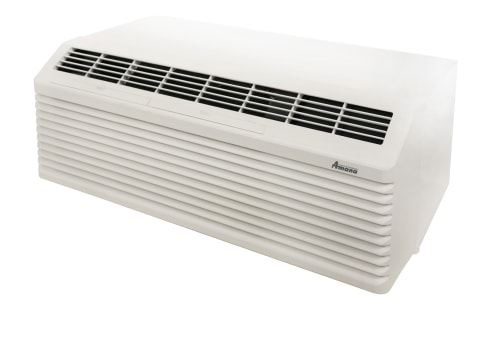
There are several types of air conditioning systems available, each with its own advantages and disadvantages:- Central Air Conditioning: Ideal for cooling entire homes, central systems use ductwork to distribute cool air. They are efficient and provide consistent temperatures but can be more expensive to install.
- Window Units: These are cost-effective solutions for single rooms.
They are easy to install but may not be suitable for larger spaces.
- Ductless Mini-Split Systems: These systems offer flexibility and efficiency without the need for ductwork. They are perfect for homes without existing ducts and allow for zoned cooling.
3.Features to Consider
When selecting an air conditioner, consider additional features that can enhance performance and convenience:- Energy Efficiency Rating (EER): Look for units with high EER ratings to save on energy costs.
- Smart Technology: Many modern units come with smart thermostats that allow you to control settings remotely via smartphone apps.
- Noise Levels: If noise is a concern, check the decibel ratings of different models; quieter units can significantly improve comfort.
The Importance of Professional Installation
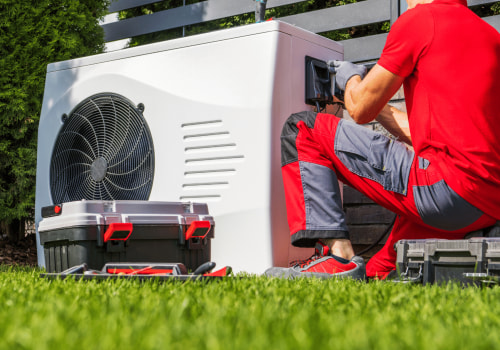
When it comes to air conditioner replacement, the installation process is just as crucial as selecting the right unit. Many homeowners may consider a DIY approach to save money, but this can lead to significant risks and complications.Professional installation by qualified HVAC technicians ensures that your new air conditioning system operates efficiently and safely.
Benefits of Hiring HVAC Professionals
- Expertise and Experience: HVAC professionals have extensive training and experience in installing various air conditioning systems. They understand the intricacies of different models and can handle any challenges that arise during installation.
- Proper Sizing: An HVAC technician will assess your home’s size, layout, and insulation to recommend the right unit size. An improperly sized air conditioner can lead to inefficiency, increased energy bills, and inadequate cooling.
- Compliance with Local Codes: Professional installers are familiar with local building codes and regulations. They ensure that your installation meets all legal requirements, which can prevent future issues with inspections or insurance claims.
- Warranty Protection: Many manufacturers require professional installation for warranty coverage.
If you attempt a DIY installation and encounter problems, you may void the warranty on your new unit.
- Safety Considerations: Air conditioning systems involve electrical components and refrigerants that can be hazardous if mishandled. Professionals are trained to manage these safely, reducing the risk of accidents or injuries.
The Risks of DIY Installation
While DIY projects can be rewarding, installing an air conditioner is not one of them. Common pitfalls include:
- Incorrect Installation: Mistakes during installation can lead to poor performance, increased wear and tear, and even system failure.
- Lack of Proper Tools: Professional installers have specialized tools that are necessary for a successful installation. Without these tools, you may struggle to complete the job correctly.
- Time-Consuming: A DIY installation can take significantly longer than anticipated, especially if you encounter unexpected challenges.
This can leave your home without cooling for an extended period during hot weather.
Maintenance Tips to Extend Your Air Conditioner's Life
Maintaining your air conditioner is crucial for ensuring its longevity and efficiency. By implementing a few simple maintenance practices, you can significantly extend the lifespan of your unit and avoid costly repairs or premature replacements. Here are some essential air conditioner maintenance tips that every homeowner should consider:- Regular Filter Replacement: One of the simplest yet most effective ways to maintain your air conditioner is by regularly replacing or cleaning the air filters.
Clogged filters restrict airflow, making your system work harder and less efficiently. Aim to check your filters monthly and replace them every 1-3 months, depending on usage.
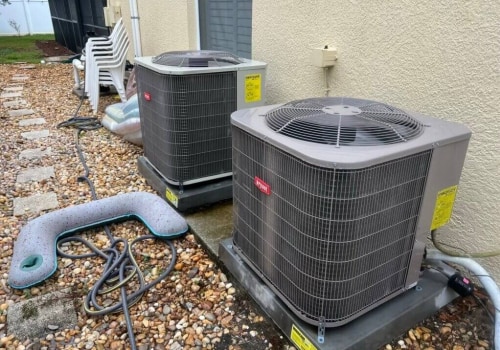
- Keep the Outdoor Unit Clean: The outdoor condenser unit should be free from debris such as leaves, dirt, and grass clippings. Regularly inspect the area around the unit and clear away any obstructions. A clean outdoor unit allows for better airflow and improves overall efficiency.
- Schedule Annual Professional Maintenance: While DIY maintenance is important, having a professional technician inspect your air conditioning system at least once a year is essential.
They can identify potential issues before they become major problems, perform necessary repairs, and ensure that your system is operating at peak efficiency.
- Check the Thermostat Settings: Ensure that your thermostat is functioning correctly and set to an appropriate temperature. Consider upgrading to a programmable thermostat that can adjust temperatures based on your schedule, which can help save energy and reduce wear on your system.
- Inspect Ductwork for Leaks: Leaky ducts can lead to significant energy loss and reduced cooling efficiency. Inspect your ductwork for any visible signs of damage or disconnections, and seal any leaks with duct tape or mastic sealant.
- Monitor Refrigerant Levels: Low refrigerant levels can indicate a leak in the system, which can lead to decreased efficiency and increased energy costs. If you suspect low refrigerant levels, contact a professional to check and recharge your system as needed.
Regular upkeep not only prolongs the lifespan of your unit but also enhances its performance, providing you with consistent comfort during those hot summer months.
FAQs About Air Conditioner Replacement
When considering air conditioner replacement, many homeowners have questions that can significantly impact their decision-making process. Below are some of the most frequently asked questions regarding AC replacement, along with clear and concise answers.What factors should I consider before replacing my air conditioner?
Before making a decision, consider the following:- Age of the Unit: If your air conditioner is over 10 years old, it may be more cost-effective to replace it rather than continue with repairs.
- Energy Efficiency: Newer models often have higher SEER (Seasonal Energy Efficiency Ratio) ratings, which can lead to significant savings on energy bills.
- Repair Costs: If repair costs exceed 50% of the value of a new unit, replacement is usually the better option.
- Comfort Levels: If your home is consistently uncomfortable or humid, a new unit may provide better climate control.
Are there financing options available for air conditioner replacement?
Yes, many HVAC companies offer financing plans to help homeowners manage the cost of a new air conditioning system. Options may include:- Installment Plans: Spread the cost over several months or years.
- Credit Options: Some companies partner with financial institutions to offer credit lines specifically for HVAC purchases.
- Manufacturer Rebates: Check for any available rebates from manufacturers that can reduce the overall cost.
What about warranties?
Warranties are an important consideration when replacing your air conditioner. Most new units come with a manufacturer’s warranty that covers parts for a specific period, typically ranging from 5 to 10 years.Additionally, many HVAC contractors offer labor warranties that cover installation issues. Always read the warranty details carefully and ask about any extended warranty options that may be available.
How often should I replace my air conditioning unit?
The general recommendation is to consider replacing your air conditioner every 10 to 15 years. However, this can vary based on factors such as:- Usage: Heavily used units may need replacement sooner.
- Maintenance: Regular maintenance can extend the life of your unit.
- Technological Advances: Newer models may offer better efficiency and features worth upgrading for.
Conclusion: Making Informed Decisions About Air Conditioner Replacement
In conclusion, understanding when to consider air conditioner replacement is crucial for maintaining a comfortable and efficient home environment. Throughout this article, we have explored various factors that influence the lifespan of an air conditioning unit, including its age, maintenance history, and performance issues.Recognizing the signs that indicate your air conditioner may need to be replaced can save you from unexpected breakdowns and costly repairs.Key indicators such as decreased cooling efficiency, increased energy bills, and frequent repairs should not be overlooked. If your unit is over 10 years old and exhibiting these symptoms, it is wise to consult with a professional technician who can provide a thorough assessment. They can help you determine whether repairs are feasible or if investing in a new system would be more beneficial in the long run.Moreover, when considering a replacement, it’s essential to evaluate your specific cooling needs. Factors such as the size of your home, insulation quality, and local climate conditions play a significant role in selecting the right unit.
Additionally, exploring available rebates and incentives can help mitigate the financial impact of purchasing a new air conditioner.Ultimately, making informed decisions about air conditioner replacement involves careful consideration of both current performance and future needs. Regular maintenance can extend the life of your unit, but being proactive about replacement when necessary will enhance your home’s energy efficiency and comfort. By staying vigilant and informed, you can ensure that your air conditioning system meets your household's demands effectively.