After manufacturing air filtration products for over a decade and serving more than two million households, we've seen this pattern consistently. Homeowners blame open windows, foot traffic, or pets — but the real culprit is frequently a furnace blower compartment packed with accumulated debris that gets recirculated every time the system runs. Clean the surfaces, but leave the furnace untouched, and the dust is back within days.
What sets a professional furnace cleaning apart isn't just removing visible buildup — it's accessing the internal components where contamination compounds over heating seasons: the heat exchanger, blower wheel, burner assembly, and the ductwork connections that feed every room in your home. That's the difference between treating symptoms and eliminating the source.
This page covers exactly what furnace cleaning addresses, how it interrupts the dust cycle at its origin, and what you can realistically expect in your home after service, so you can feel confident about how to clean a furnace for cleaner air and better overall system performance.
TL;DR Quick Answers
How to Clean a Furnace
Annual professional furnace cleaning is the most effective way to remove built-up debris from the internal components that drive dust and air quality problems in your home. Here is what the process covers and how to approach it:
The components that matter most:
Blower wheel — the heaviest dust collector in the system; must be cleaned to restore proper airflow
Heat exchanger surfaces — debris here enters your airstream with every heating cycle
Burner assembly — buildup affects combustion quality and air cleanliness
Furnace cabinet interior — accumulates contaminants that bypass the filter entirely
Plenum connections — where debris feeds directly into your duct distribution system
What homeowners can do themselves:
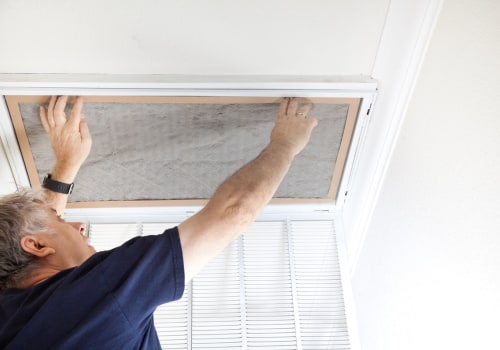
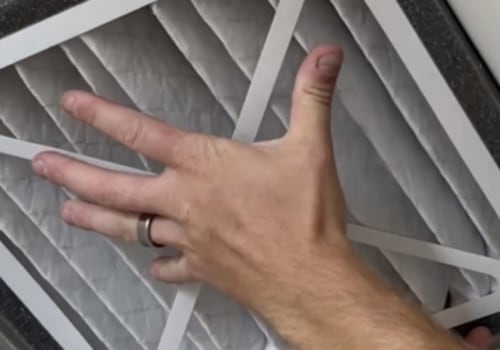
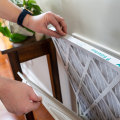
Replace the air filter every 60 to 90 days
Vacuum visible dust from the cabinet exterior
Keep the area surrounding the furnace clear of stored items
What always requires a professional:
Blower wheel cleaning and balancing
Heat exchanger inspection for cracks or corrosion
Burner assembly cleaning and combustion adjustment
Vent pipe, gas connection, and safety control verification
When to schedule cleaning:
Once per year — late summer or early fall before the heating season begins
Immediately if filters are loading in under 30 days, energy bills are rising unexpectedly, or burner flames are yellow or orange rather than blue
The step most homeowners miss: Pair every professional furnace cleaning with a MERV 8 or higher filter replacement. Cleaning removes internal contamination at the source. The right filter prevents it from re-establishing between service intervals. Both steps together are what actually interrupt the dust cycle.
Top Takeaways
Your furnace is the primary source of recurring household dust. A dirty blower wheel, heat exchanger, and furnace cabinet redistribute accumulated contaminants through every room — every time the system runs. Surface cleaning treats the symptom. Furnace cleaning eliminates the source.
Annual furnace cleaning is both an air quality step and a safety requirement. The CPSC reports more than 200 carbon monoxide deaths per year from fuel-burning consumer products. Heating systems rank among the top contributors. A professionally cleaned and inspected furnace is the primary defense.
Buildup on internal components can reduce furnace efficiency by up to 15 percent. Per ENERGY STAR, airflow problems caused by dirt and debris directly increase energy costs, accelerate wear, and shorten system lifespan. Annual cleaning is one of the highest-return maintenance investments a homeowner can make.
Furnace cleaning and the right filter work together — neither is fully effective without the other.
Cleaning removes internal contamination at the source
A MERV 8 or higher filter prevents new buildup from re-establishing between service intervals
Together, they interrupt the dust cycle at both ends
The homes with the least dust are not the ones cleaned most aggressively — they are the ones with the best-maintained furnaces. After serving more than two million households, that is the pattern we see consistently. A maintained system and the right filter in place is the foundation everything else builds on.
Why Your Furnace Is a Major Dust Source
Most homeowners focus dust-reduction efforts on surfaces — vacuuming, wiping down shelves, changing bedding. But in our experience serving over two million households, furnace filters play a major role in supporting a cleaner home and reducing recurring household dust. Here's why.
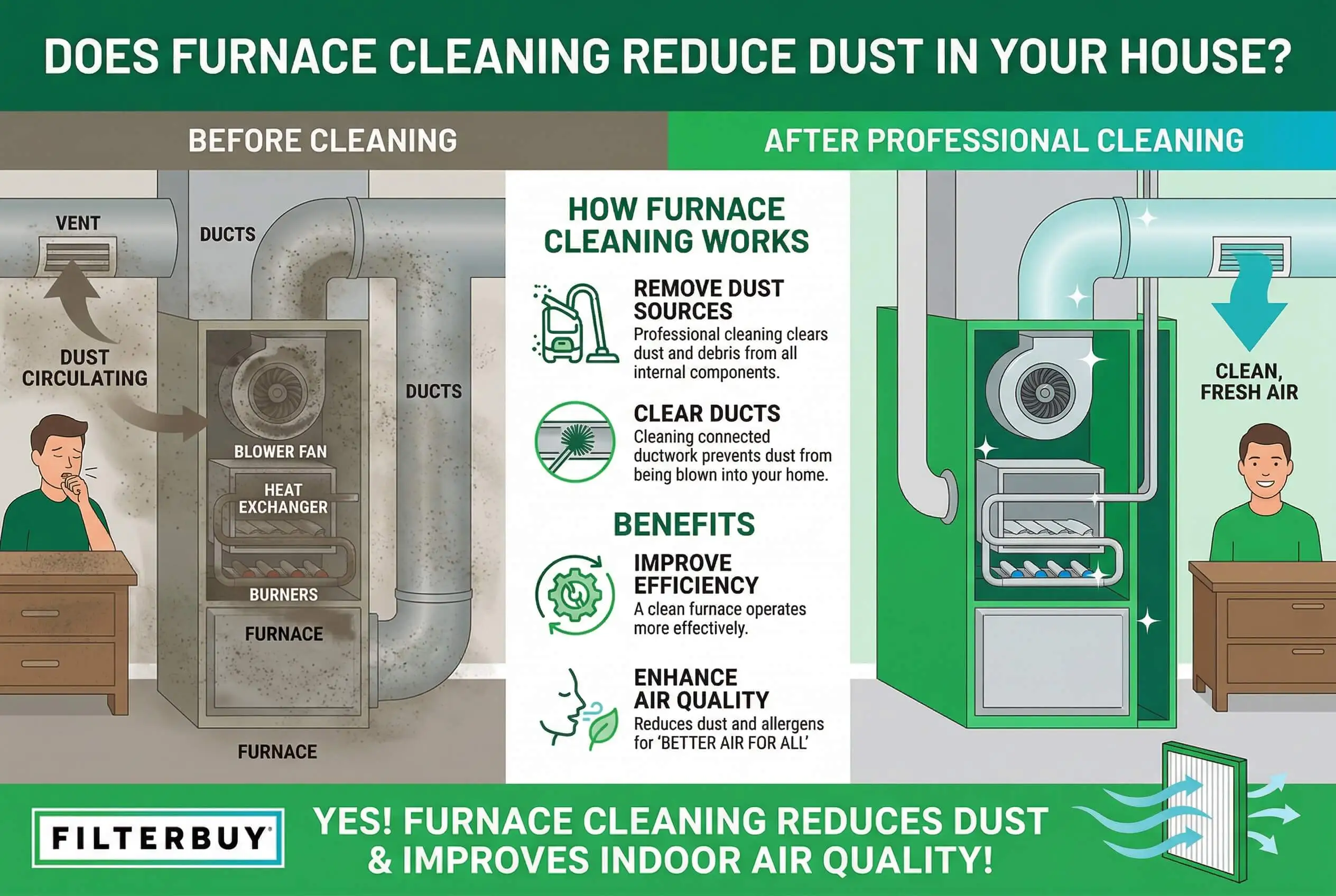
Your furnace doesn't just heat air — it moves air. The blower pulls return air from every room in your home, passes it through the system, and pushes conditioned air back through your supply vents. Anything that accumulates inside the furnace cabinet — dust, pet dander, skin cells, debris from the ductwork — gets picked up and redistributed throughout your living space every time the system cycles on.
The problem compounds over time. Without regular cleaning, buildup inside the blower compartment, heat exchanger, and burner assembly grows season after season, turning your furnace into a steady, invisible source of airborne particulates.
What Furnace Cleaning Actually Addresses
A professional furnace cleaning goes well beyond a filter swap or a surface wipe-down. The components that accumulate the most dust-generating debris are internal — and inaccessible without proper tools and training.
A thorough furnace cleaning typically includes:
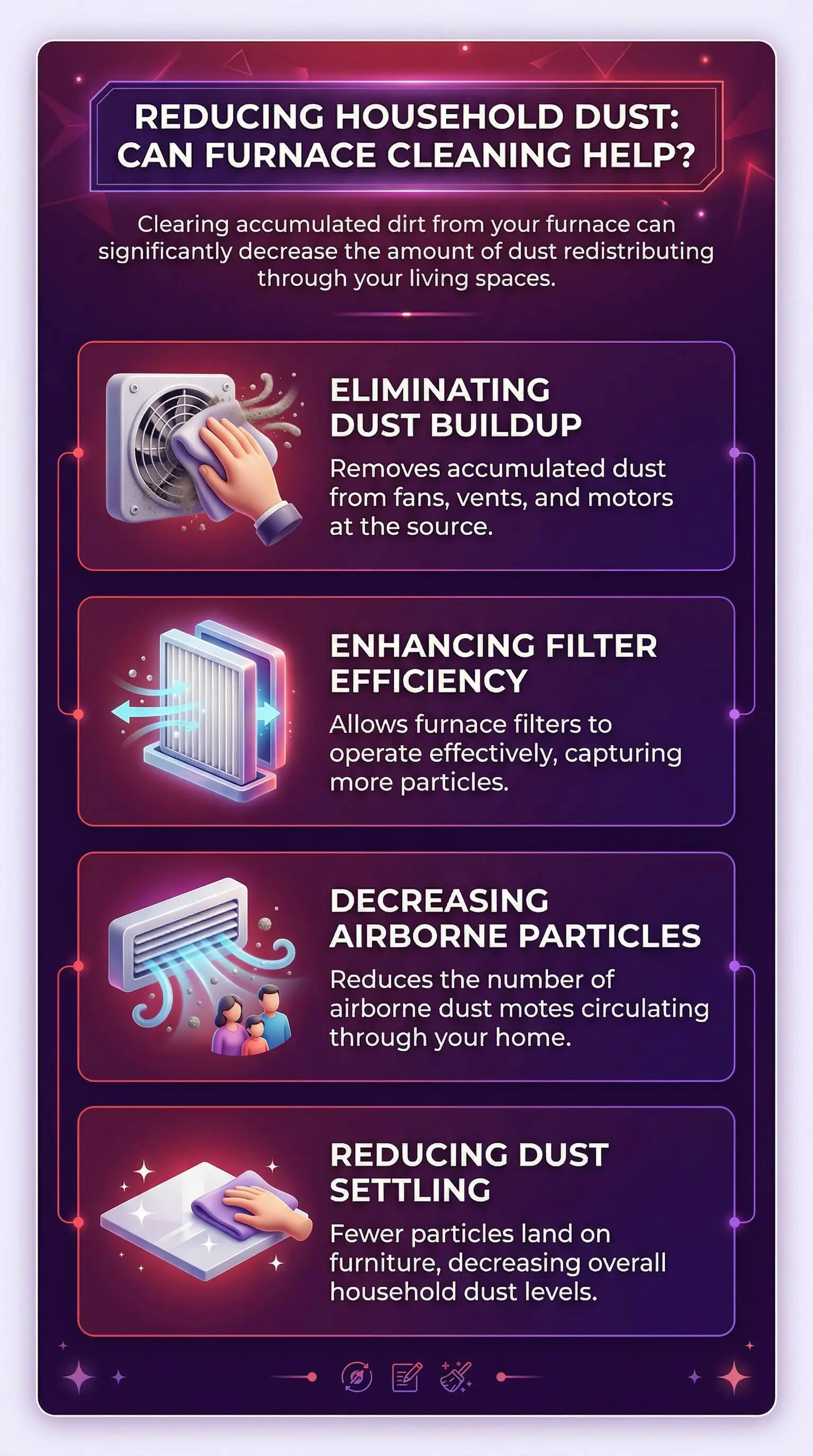
Blower wheel and motor housing — The blower wheel is one of the heaviest dust collectors in the entire system. Buildup on the blades reduces airflow efficiency and sends accumulated particulates into circulation.
Heat exchanger surfaces — Debris that settles on the heat exchanger gets heated and volatilized with every heating cycle, contributing to airborne contamination.
Burner assembly — Dust on the burners affects combustion and can introduce fine carbonaceous particles into circulated air.
Cabinet interior — The furnace cabinet itself acts as a collection chamber for debris that never makes it out through the filter.
Ductwork connections — The supply and return plenum connections are common zones for debris accumulation that feeds directly into air distribution.
Each of these areas contributes to the total particulate load your system circulates. Cleaning them collectively — not individually — is what produces a measurable reduction in household dust.
How Furnace Cleaning Interrupts the Dust Cycle
Understanding the dust cycle helps clarify why furnace cleaning works. Dust doesn't simply settle and stay settled. Every time your HVAC system runs, air movement disturbs settled dust, pulls it into return vents, and carries it through the system. If the furnace interior is contaminated, that dust picks up additional particulates on the way through — and gets redistributed throughout every room connected to your ductwork.
Furnace cleaning interrupts this cycle at its most concentrated point. Rather than capturing dust after it has already spread through your home, it removes the source material before it ever enters the airstream. The result is less particulate matter in circulation with every heating cycle — and noticeably less dust accumulating on surfaces over time.
How Much Dust Reduction Can You Realistically Expect?
The degree of improvement depends on several factors: how long the furnace has gone without a cleaning, the condition of existing ductwork, filter quality and replacement frequency, and whether pets or other high-danger sources are present in the home.
That said, homeowners who schedule furnace cleaning as part of annual HVAC maintenance consistently report a noticeable reduction in dust accumulation on surfaces — particularly in rooms with supply vents near furniture and shelving. The impact is most pronounced in homes where furnace cleaning has been deferred for multiple heating seasons.
In our experience, furnace cleaning delivers the greatest dust-reduction benefit when combined with a high-quality air filter rated MERV 13. The furnace cleaning removes built-up contamination from internal components, while the right filter prevents new particulate accumulation from re-establishing between service intervals.
When to Schedule a Furnace Cleaning for Best Results
Annual furnace cleaning is the standard recommendation — and for good reason. One full heating season is enough for meaningful dust and debris to accumulate inside the blower compartment and heat exchanger, particularly in homes with pets, older ductwork, or high foot traffic.
The best timing depends on your system and usage:
Before the heating season begins — Cleaning in early fall removes accumulated off-season debris before your furnace runs continuously for months.
After heavy use periods — If your furnace ran hard through a long or severe winter, a post-season cleaning prevents buildup from sitting inside components through spring and summer.
After renovation or construction work — Drywall dust, insulation fibers, and construction debris are among the heaviest contaminants a furnace system can accumulate. A dedicated cleaning after any home renovation is strongly advisable.
If dust levels have noticeably increased — When surfaces are collecting dust faster than usual and filter changes haven't resolved it, a dirty furnace interior is the likely cause.
"When we open up a furnace that hasn't been cleaned in a few years, what we find inside tells the whole story of why dust keeps coming back in that home. The blower wheel is often so caked with debris it can barely turn efficiently — and every time that system has been running, it's been pulling that contamination loose and sending it into every room. I always tell homeowners: your filter is doing its job at the entry point, but if the interior of the furnace is dirty, you're fighting a losing battle. The dust isn't coming from outside your home. It's being generated from inside your own system. Cleaning the furnace is the step that actually breaks that cycle — and in our experience serving households across the country, it's the one step most homeowners don't know they're missing."
Essential Resources
Cleaning your furnace the right way means more than vacuuming dust off visible surfaces — it means understanding safety thresholds, professional standards, and how your filter and furnace work together to protect your home's air. After serving over two million households, we know the resources below are the ones that actually move the needle. Each one is sourced from a U.S. government agency or recognized industry standards organization.
1. Start Here: The EPA's Guide to When HVAC Cleaning Is Necessary
Source: U.S. Environmental Protection Agency https://www.epa.gov/indoor-air-quality-iaq/should-you-have-air-ducts-your-home-cleaned
Before scheduling a cleaning, know what you're actually dealing with. The EPA outlines the conditions that make HVAC system cleaning genuinely worthwhile — and which components, including heat exchangers and blower systems, deliver the most measurable benefit. This is the resource that separates informed decisions from unnecessary service calls.
Pro Tip: The EPA specifically recommends having fuel-burning furnaces inspected and serviced before each heating season to protect against carbon monoxide poisoning — not just when something seems wrong.
2. Know What a Professional Tune-Up Should Actually Include
Source: ENERGY STAR — U.S. Environmental Protection Agency https://www.energystar.gov/saveathome/heating-cooling/maintenance-checklist
The ENERGY STAR Maintenance Checklist is the government-backed standard for what a thorough annual furnace service should cover. Blower component cleaning, filter inspection, electrical connections, system controls — it's all here. Use it to verify that the contractor you hire is doing the full job, not a partial one.
3. Understand the Carbon Monoxide Risk That Makes Annual Cleaning Non-Negotiable
Source: U.S. Consumer Product Safety Commission https://www.cpsc.gov/Safety-Education/Safety-Education-Centers/Carbon-Monoxide-Information-Center/Home-Heating-Equipment
More than 200 people die each year from unintentional carbon monoxide poisoning associated with home heating equipment. The CPSC recommends a yearly professional inspection of all fuel-burning systems — including furnaces, flues, and vents — as the primary defense. Furnace cleaning isn't just a comfort and air quality measure. For gas-fired systems, it's a safety requirement.
4. Learn Why Yellow Flames and Soot Are Warning Signs That Need Immediate Attention
Source: U.S. Consumer Product Safety Commission https://www.cpsc.gov/Newsroom/News-Releases/2002/CPSC-Urges-Seasonal-Furnace-Inspection-to-Prevent-CO-Poisonings
This CPSC advisory covers the specific safety technologies built into modern gas furnaces and explains the vent blockage and combustion hazards that make seasonal inspection critical. If you've ever wondered what actually goes wrong when furnace maintenance is deferred too long, this resource answers that question directly.
5. See How Dirty Furnace Components Circulate Contaminants Into Every Room
Source: National Air Duct Cleaners Association (NADCA) https://nadca.com/blog/duct-cleaning-and-indoor-air-quality-comprehensive-guide
NADCA's indoor air quality guide explains how accumulated debris on heat exchangers, blower assemblies, and ductwork connections doesn't just sit there — it gets picked up and redistributed through your home every time the system runs. This is the clearest industry-level explanation of why furnace cleaning and air quality are directly connected, not separate concerns.
6. Know What Legitimate Professional Furnace Cleaning Looks Like
Source: National Air Duct Cleaners Association (NADCA) https://nadca.com/homeowners/proper-cleaning-methods
Not every contractor claiming to clean HVAC systems does the job correctly. NADCA's homeowner resource explains the equipment, techniques, and standards — including negative air pressure systems and EPA-registered antimicrobial applications — that qualify as professional-grade cleaning. Before you hire anyone to clean your furnace and ductwork, read this first.
Pro Tip: A legitimate HVAC cleaning contractor should be able to explain their scope of work in terms consistent with the NADCA ACR Standard. If they can't, keep looking.
7. Understand How Your Furnace Filter and Furnace Cleaning Work Together
Source: U.S. Environmental Protection Agency https://www.epa.gov/sites/default/files/2018-07/documents/residential_air_cleaners_-_a_technical_summary_3rd_edition.pdf
The EPA's Residential Air Cleaners Technical Summary covers furnace filters, fine particulate matter, and how HVAC system operation directly influences indoor pollutant levels. Furnace cleaning removes internal buildup at the source — but without the right filter in place, new particulate accumulation starts immediately. This resource explains why a MERV 8 or higher filter is the essential follow-up step after any professional furnace cleaning.
Supporting Statistics
Most homeowners assume outdoor air is the bigger concern. In our experience, that instinct leads to focusing energy in the wrong direction — wiping surfaces, cracking windows — while the actual source keeps running untouched. The data consistently reinforces what we see in the field: household dust and indoor air quality are, in large part, a furnace maintenance problem.
Stat 1: Indoor air can be 2 to 5 times more polluted than the air outside your home.
Americans spend approximately 90 percent of their time indoors, where the concentrations of some pollutants are often 2 to 5 times higher than typical outdoor concentrations. US EPA
After manufacturing air filtration products for over a decade, we know why indoor pollutant levels climb that high. When a furnace hasn't been cleaned, every heating cycle redistributes built-up contamination from the blower wheel, heat exchanger, and cabinet interior into every room connected to your ductwork. The outdoor air isn't the problem. The uncleaned furnace is.
Source: U.S. Environmental Protection Agency — Indoor Air Quality https://www.epa.gov/report-environment/indoor-air-quality
Stat 2: Heating equipment is a leading cause of carbon monoxide deaths in the United States.
On average, more than 200 people in the United States die every year from carbon monoxide produced by non-automotive consumer products, including malfunctioning fuel-burning appliances such as furnaces. CPSC Heating systems were associated with the second largest percentage of non-fire carbon monoxide poisoning deaths in the most recent reporting year. CPSC
Based on what we see responding to service calls, the majority of those situations share a common factor: deferred maintenance on gas-fired systems. Key warning signs that a furnace needs immediate professional attention include:
Yellow or orange flames instead of blue
Soot buildup around the furnace cabinet or vents
Unusual odors during system startup
A heating system that has not received professional service in over 12 months
A clean, properly inspected furnace is a safe furnace. Annual professional cleaning is the step that keeps it that way.
Source: U.S. Consumer Product Safety Commission — Carbon Monoxide Fact Sheet https://www.cpsc.gov/safety-education/safety-guides/carbon-monoxide/carbon-monoxide-fact-sheet
Source: U.S. Consumer Product Safety Commission — Non-Fire CO Deaths Annual Estimates https://www.cpsc.gov/Newsroom/News-Releases/2023/New-CPSC-Report-Shows-Upward-Trend-in-Carbon-Monoxide-CO-Fatalities
Stat 3: Dirt and debris can reduce your furnace's efficiency by up to 15 percent.
Airflow problems can reduce your system's efficiency by up to 15 percent. ENERGY STAR Dirt and neglect are the top causes of heating and cooling system failure and inefficiency. ENERGY STAR
From the filter manufacturing side, we understand what restricted airflow costs a homeowner in real terms:
Higher monthly energy bills as the system works harder to deliver the same output
Accelerated wear on the blower motor and heat exchanger
More debris pushed into circulation with every heating cycle
Faster dust accumulation on surfaces throughout the home
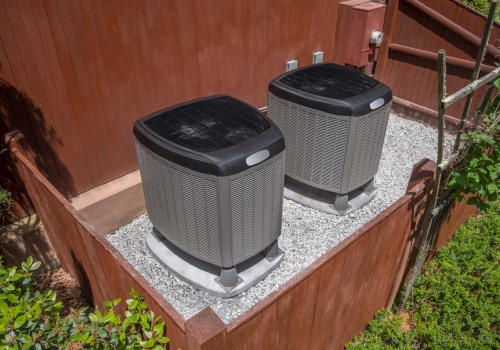
The homeowners most surprised by how quickly dust returns are almost always the ones whose furnaces, like heat pumps, were running with significant blower buildup. It is not a housekeeping problem. It is a system performance problem — and furnace cleaning is the fix.
Pro Tip: Furnace cleaning delivers its strongest combined benefit — reduced dust, lower energy costs, and improved safety — when paired with a MERV 8 or higher filter. The cleaning removes internal buildup at the source. The right filter prevents it from re-establishing between service intervals.
Source: U.S. Environmental Protection Agency — ENERGY STAR Maintenance Checklist https://www.energystar.gov/saveathome/heating-cooling/maintenance-checklist
Source: U.S. Environmental Protection Agency — How to Keep Your HVAC System Working Efficiently https://www.energystar.gov/products/ask-the-experts/how-keep-your-hvac-system-working-efficiently
Final Thoughts
Furnace cleaning reduces household dust. That's the direct answer. But after manufacturing air filtration products for over a decade and serving more than two million households, our perspective goes deeper than most HVAC guidance will take you.
The real problem is invisible — and that's why it persists.
You can see a dirty filter. You can see dust on a shelf. What you cannot see:
A blower wheel coated in seasons' worth of debris
A heat exchanger volatilizing particulates into your living space with every heating cycle
A furnace cabinet acting as a collection chamber for contaminants your filter never captured
Those are the sources. The dust on your surfaces, the filters loading up too fast, the energy bills climbing — those are the symptoms.
Our honest opinion: furnace cleaning is the most under-prioritized home maintenance step in America.
Not because homeowners don't care. Because the problem hides inside a system most people never open.
The two steps that actually move the needle:
Annual professional furnace cleaning — removes contamination at its origin before it enters your airstream
A MERV 8 or higher filter, consistently replaced — prevents buildup from re-establishing between service intervals
Surface cleaning alone will never solve a furnace problem. These two steps together are what interrupt the dust cycle for good.
The homes with the best indoor air quality share one thing in common.
It is not the most aggressive cleaning routine. It is a maintained furnace and the right filter consistently in place — a pattern we see clearly from both the filtration manufacturing and HVAC services sides of this industry.
You already care enough to research this. The next step is straightforward: schedule the cleaning, install the right filter, and protect the air your family breathes every day.
That's what protecting your home looks like from the inside out.
FAQ on How to Clean a Furnace
Q: How often should a furnace be cleaned?
A: Once a year. Late summer or early fall — before the heating season begins — is the best timing.
Clean more frequently if your home has:
Multiple pets or heavy shedding animals
Occupants with asthma, allergies, or respiratory conditions
Recent renovation or construction work
A system with a history of deferred maintenance
After serving more than two million households, the pattern is consistent. Annual cleaning prevents problems. Skipping it creates them.
Q: What does furnace cleaning include — and is it different from changing the filter?
A: Yes. These are two entirely different steps. One does not substitute for the other.
Filter changes protect what enters the system going forward. Professional furnace cleaning removes what has already built up inside components a filter change never touches:
Blower wheel — the heaviest dust collector in the system and the primary source of recirculated debris
Heat exchanger surfaces — debris here volatilizes into conditioned air with every heating cycle
Burner assembly — buildup affects combustion quality and introduces fine particles into circulated air
Furnace cabinet interior — collects contaminants that bypass the filter entirely
Plenum connections — where accumulated debris feeds directly into your duct system
Filters are essential. But they protect against what is coming in — not what has already built up inside.
Q: Can I clean my furnace myself, or does it require a professional?
A: Some tasks are safe for homeowners. The parts that matter most require professional training.
Homeowners can safely handle:
Replacing the filter every 60 to 90 days
Vacuuming visible dust from the cabinet exterior
Keeping the area around the furnace clear
Visual inspection of the blower compartment each season
Always leave these to a qualified professional:
Blower wheel cleaning — blades are precision-balanced and easily damaged
Heat exchanger inspection — cracks create a direct carbon monoxide pathway into living spaces
Burner assembly cleaning and adjustment — improper handling creates combustion safety risks
Vent pipe integrity, gas connection inspection, and safety control verification
For gas-fired systems, annual professional service is not a preference. It is a safety requirement.
Q: How do I know if my furnace needs cleaning right now?
A: Most furnaces do not announce when they need cleaning. Warning signs get misattributed — blamed on allergies, carpet, or pets — while the furnace compounds the problem.
Watch for these indicators:
Dust returning to surfaces faster than usual — especially near supply vents and registers
Filters loading in under 30 days — a reliable sign of heavy internal debris already in circulation
Uneven heating between rooms — often caused by restricted airflow from blower buildup
Rising energy bills without a usage change — dirty components force the system to work harder
Yellow or orange burner flames — requires immediate professional attention
Dusty or burning odors at startup — indicates debris on heated components entering your airstream
More than 12 months since the last professional service — schedule cleaning regardless of symptoms
Do not wait for a visible sign. The homeowners who spend the least on furnace-related problems are the ones who stay ahead of the cycle.
Q: What MERV rating filter should I use after having my furnace cleaned?
A: Furnace cleaning removes contamination at the source. The right filter prevents it from re-establishing between service intervals. One without the other leaves the job half done.
Based on over a decade of filter manufacturing experience:
MERV 8 — Right for most standard residential systems. Captures dust, pollen, and mold spores. Minimal airflow impact. A meaningful upgrade from basic fiberglass.
MERV 11 — Recommended for homes with pets, allergy sufferers, or young children. Captures pet dander, fine dust, and some bacteria.
MERV 13 — Best for households with respiratory conditions or immunocompromised occupants. Captures fine particulates, smoke, and airborne pathogens. Confirm your system can handle the added resistance before upgrading.
Pro Tip: Your filter will load up faster in the first 30 days after a professional furnace cleaning than in any subsequent cycle. The cleaning dislodges fine debris that gets captured as the system runs. Check your filter at the 30-day mark. Replace it if needed — then return to your regular schedule. That first post-cleaning filter change is one of the most telling indicators of how much was built up inside your system.
Ready to Reduce Dust and Breathe Cleaner Air at Home?
If dust keeps coming back no matter how often you clean, your furnace is the most likely source — and a professional furnace cleaning is the most direct way to fix it. Contact Filterbuy HVAC Solutions today to schedule your annual furnace cleaning and take the first step toward a cleaner, healthier home.